A fall at a New York City construction site can lead to serious injuries and a rapid series of medical visits, reports, and insurance actions. From ladder slips to scaffold collapses across all five boroughs, these incidents remain a leading cause of harm for construction workers.
Medical records, employer reports, and OSHA procedures start almost immediately, and each step can influence your ability to pursue full compensation under New York law. Multiple parties, including property owners and contractors, may be responsible, and many act quickly to limit liability.
A knowledgeable construction accident injury lawyer can protect your rights, preserve evidence, and guide you through workers’ compensation and potential third-party claims. If you or a loved one fell on a construction site, call Washor Kool Sosa Maiorana & Schwartz, LLP at (212) 406-1700 for a free consultation.
Schedule a Free Case Evaluation
Key Takeaways About New York Construction Fall Claims
- Immediate medical attention takes priority after construction falls, with documentation beginning at the emergency room for future legal claims.
- Workers' compensation provides initial coverage but third-party lawsuits under New York Labor Law may yield substantially more compensation.
- OSHA investigations and incident reports create official records that strengthen or weaken injury claims depending on their accuracy.
- Multiple parties including property owners, general contractors, and subcontractors may share liability for fall injuries.
- Time limits for filing claims vary, with some notices required within 30 days while lawsuits may have up to three years.
Immediate Medical Response After Construction Falls
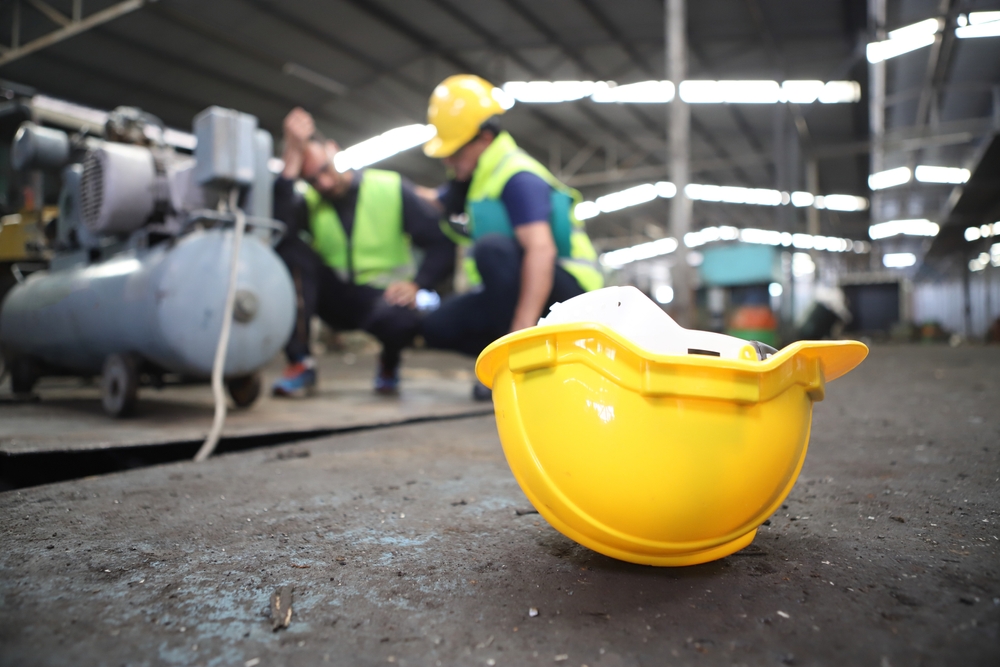
Medical evaluation should take place as soon as possible after any fall on a construction site, regardless of how minor injuries may initially appear. Adrenaline masks pain while internal injuries develop slowly, making emergency room visits necessary even when workers feel capable of continuing their shifts. Delaying treatment creates gaps in medical records that insurance companies exploit to minimize claims.
Emergency responders document injury mechanisms, fall heights, and initial symptoms that become evidence in legal proceedings. Hospital records help establish a connection between falls and injuries, and may reduce disputes about pre-existing conditions. Following prescribed treatment plans and attending all follow-up appointments demonstrates injury severity while supporting disability claims.
Common Fall Injuries on NYC Construction Sites
Falls from scaffolds, ladders, and roofs can cause injuries ranging from fractures to traumatic brain injuries with lasting effects. Each injury type requires specific medical documentation and affects compensation calculations differently.
Construction workers who fall from heights frequently suffer multiple simultaneous injuries requiring extensive treatment:
- Spinal cord damage causing paralysis or chronic pain
- Traumatic brain injuries affecting memory and cognitive function
- Multiple fractures requiring surgeries and extended rehabilitation
- Internal organ damage from impact forces
- Shoulder and knee injuries preventing return to physical labor
These injuries often prevent workers from returning to construction trades, necessitating career changes and vocational retraining that factor into damage calculations.
Medical Documentation Needed After a New York Construction Fall
Hospital staff create records that serve as key evidence in construction accident cases. Emergency departments document visible injuries through photographs, X-rays, CT scans, and detailed physician notes. These initial records establish injury baselines against which recovery progress gets measured.
Medical documentation needed after construction falls includes multiple forms of evidence that support legal claims:
- Admission records noting fall circumstances and height
- Diagnostic imaging showing fractures and internal injuries
- Surgical reports detailing procedures and hardware placement
- Physical therapy notes tracking functional improvements
- Specialist consultations documenting permanent impairments
Consistent medical documentation proves injury severity while countering insurance company attempts to minimize claims through selective record interpretation.
Reporting Requirements Following Construction Site Falls
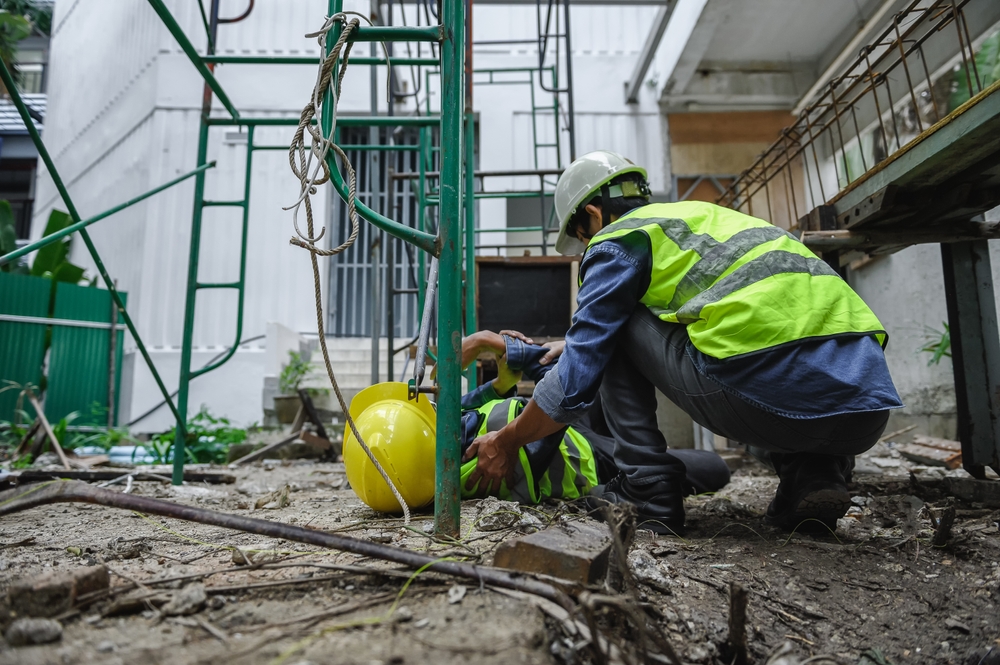
Proper reporting creates official records that support or undermine future legal claims depending on accuracy and timing. Employers must notify OSHA within specific timeframes while workers need to report injuries for workers' compensation coverage. Missing deadlines or providing incomplete information jeopardizes benefits and lawsuit potential.
Employer Obligations and OSHA Notifications
OSHA regulations require employers to report construction falls resulting in fatalities within 8 hours and hospitalizations within 24 hours. These reports trigger federal investigations examining safety compliance, training records, and equipment conditions. Employers who fail to report or falsify information face penalties that strengthen injured workers' legal positions.
Supervisors often pressure injured workers to avoid reporting falls or minimize injury severity to prevent OSHA scrutiny. Some employers misclassify employees as independent contractors, claim workers fell due to horseplay, or alter accident scenes before investigators arrive. Construction accident injury attorneys identify these tactics and use them as evidence of willful safety violations.
Workers' Compensation Filing Procedures
New York workers' compensation requires notifying employers within 30 days of construction falls, though immediate reporting provides stronger documentation. Written notice protects rights better than verbal reports that employers may later deny receiving. Employers file Form C-2F, while employees create the claim by filing a C-3 with the Workers’ Compensation Board.
Key deadlines and requirements for workers' compensation claims after construction falls include:
- 30-day notice to employer about injury occurrence
- A general two-year deadline applies, measured from the date of the accident or, in some cases, from the last payment of compensation
- C-3 form submission by workers (employees), while treating physicians submit medical reports on C-4 forms
- Independent medical examinations when requested by carriers
- Hearing attendance for disputed claims
Missing these procedural requirements can result in loss or reduction of benefits regardless of injury severity or employer fault in causing falls.
Legal Rights Under New York Construction Fall Laws
New York provides unique protections for construction workers who fall from heights, creating liability in construction sites beyond standard workers' compensation coverage. These laws recognize the inherent dangers of elevation work and place responsibility on those who control job sites. Construction accident injury lawyers use these statutes to pursue compensation that reflects true injury impacts.
New York Labor Law 240 1 Scaffold Law Protection for Fall Victims
Labor Law Section 240(1) creates strict liability for property owners and general contractors when workers fall due to violations of safety equipment requirements that are a proximate cause of the injury. Comparative negligence does not reduce damages, though owners and contractors may raise defenses such as sole proximate cause. The law applies to falls from ladders, scaffolds, hoists, and other elevated work surfaces throughout construction sites.
Courts interpret Section 240(1) broadly to protect workers from gravity-related risks inherent in construction work. Property owners cannot escape liability by delegating work to contractors or claiming ignorance about site conditions. Out-of-state corporations owning New York properties face the same strict liability as local owners when construction workers fall from heights.
New York Labor Law 241 6 and 200 Claims for Construction Falls
Section 241(6) requires compliance with specific safety regulations outlined in the Industrial Code of New York State. Violations of these detailed rules regarding fall protection, scaffolding, and ladder safety create liability for resulting construction site injuries. A violation of a specific, applicable Industrial Code provision can support liability, subject to comparative negligence.
Section 200 codifies common law negligence for unsafe work conditions when property owners or contractors control work methods. Falls caused by debris, poor lighting, or defective equipment may trigger Section 200 liability. This statute covers situations where Sections 240(1) or 241(6) might not apply but negligence still caused injuries.
Investigating a Construction Fall and Preserving Evidence in NYC
A thorough investigation can help identify all responsible parties and support any compensation claims. Evidence disappears quickly from active construction sites, making immediate documentation vital. Construction accident injury attorneys coordinate investigations while injured workers focus on medical recovery.
OSHA investigators examine fall sites, review safety programs, and interview witnesses to determine violation patterns. Their citations and findings become powerful evidence in civil lawsuits, though OSHA penalties remain separate from personal injury compensation. Federal investigations also uncover previous violations showing employers' conscious disregard for worker safety.
Private investigators hired by attorneys photograph accident scenes from multiple angles and preserve physical evidence. They measure distances, test equipment, and document lighting conditions that contributed to falls. Weather data, work schedules, and training records provide context for how and why falls occurred.
Witness statements from coworkers prove particularly valuable since they understand site conditions and safety practices. Fellow workers may reveal pressure to work unsafely, missing fall protection, or previous near-misses that management ignored. Union representatives often assist in identifying safety violations and protecting witnesses from retaliation.
Compensation Available for Construction Fall Injuries
Fall injuries generate multiple types of compensation through different legal channels that experienced attorneys pursue simultaneously. Workers' compensation provides immediate medical coverage and partial wages while civil lawsuits seek full damages including pain and suffering. Understanding available compensation helps injured workers make informed decisions about settlement offers.
Workers Compensation Benefits After a New York Construction Fall
New York workers' compensation covers medical treatment, partial wage replacement, and permanent disability awards for construction falls. Medical benefits include surgeries, physical therapy, prescriptions, and necessary equipment without copayments or deductibles. Lost wage benefits equal two-thirds of average weekly wages, subject to statutory maximums adjusted annually.
Permanent injuries receive scheduled loss awards based on body parts affected and impairment percentages. Total permanent disability provides lifetime benefits when workers cannot perform any substantial gainful employment. Death benefits support surviving spouses and dependent children when construction falls prove fatal.
Third-Party Lawsuit Damages
Civil lawsuits against property owners, general contractors, and equipment manufacturers seek compensation beyond workers' compensation limits. Third-party lawsuits pursue full damages beyond workers’ compensation limits, including lost wages, medical expenses, and non-economic damages when negligence or statutory violations occur beyond the employer relationship.
Damages available in construction fall lawsuits extend far beyond workers' compensation limitations:
- Past and future medical expenses including experimental treatments
- Full lost wages and diminished earning capacity
- Pain and suffering from physical injuries and emotional trauma
- Loss of enjoyment when injuries prevent favorite activities
- Punitive damages for willful safety violations
These comprehensive damages reflect true injury impacts rather than arbitrary compensation schedules that undervalue construction workers' losses.
Long-Term Impacts of Construction Site Falls

Falls create cascading consequences extending years beyond initial injuries, affecting every aspect of workers' lives. Physical limitations prevent return to construction trades built over decades of experience and training. Families struggle financially while adapting to injured workers' new limitations and care needs.
Chronic pain becomes a daily companion for many fall victims, requiring ongoing medication and treatment. Depression and anxiety develop as workers lose professional identities and financial security. Relationships strain under pressure from medical bills, role reversals, and lifestyle changes necessitated by permanent injuries.
Vocational rehabilitation helps some workers move into lighter-duty careers, though these roles often pay less than construction work. Retraining requires time and money while families survive on reduced incomes. Many workers never fully recover economically from construction falls despite receiving compensation through legal claims.
How Washor Kool Sosa Maiorana & Schwartz, LLP Construction Accident Lawyers Help New York Fall Victims
Washor Kool Sosa Maiorana & Schwartz, LLP’s construction accident lawyers act quickly after a fall, sending investigators to job sites to capture photographs, measurements, and safety hazards before they change. This early evidence strengthens both workers’ compensation claims and third-party lawsuits.
Their attorneys manage all parts of the case at the same time, guiding injured workers through workers’ compensation while pursuing claims against property owners, contractors, or equipment manufacturers.
They identify inaccurate reports, hidden safety problems, and pressure placed on workers to return before they are medically ready. The firm works with medical specialists, safety experts, and vocational professionals to show how fall injuries affect a worker’s health and future employment.
From offices in Manhattan’s Woolworth Building and the Bronx, Washor Kool Sosa Maiorana & Schwartz, LLP represents injured construction workers on a contingency fee basis, removing financial barriers at the start of a case. The firm has obtained significant results in matters involving scaffold collapses, ladder failures, and unprotected edges. Their multilingual staff supports workers throughout medical treatment, insurance claims, and legal proceedings related to construction site falls.
FAQs for Construction Accident Injury Lawyers
What if I didn't report my fall immediately to my supervisor?
Delayed reporting complicates but doesn't necessarily destroy claims if valid reasons exist for delays. Seek medical treatment immediately and report as soon as possible. Document why reporting was delayed, such as shock, unconsciousness, or employer pressure to continue working.
Can I sue my employer directly for a construction site fall?
Generally no, workers' compensation provides the exclusive remedy against direct employers unless the employer's conduct is intentional or egregious. However, third-party lawsuits against property owners, general contractors, and other entities remain available. Your construction accident injury lawyer identifies all potential defendants beyond your immediate employer.
How long do I have to file a lawsuit for construction fall injuries?
New York generally allows three years for construction accident lawsuits, though exceptions exist. Workers' compensation claims have different deadlines starting at 30 days for notice. Claims against many government entities require a Notice of Claim within 90 days. Contact an attorney immediately to preserve all options.
What if safety equipment was provided but malfunctioned?
Defective safety equipment may support product liability claims. Employers must follow OSHA reporting rules when required. Failures in equipment or maintenance strengthen negligence claims regardless of initial provision.
Will I lose my job if I file a construction accident lawsuit?
Legal protections prohibit retaliation for exercising injury claim rights or reporting safety violations. Termination for pursuing legitimate claims creates additional legal liability. Document any threats or adverse employment actions following injury reports.
Protect Your Legal Rights After a Construction Fall in New York City
Every hour following a construction site fall affects your physical recovery and legal options while evidence vanishes from active job sites. Insurance adjusters and employer representatives work immediately to minimize claims and shift blame onto injured workers. Your injuries need proper documentation and aggressive legal representation to counter well-funded defense teams protecting corporate interests over worker safety.
Contact Washor Kool Sosa Maiorana & Schwartz, LLP at (212) 406-1700 immediately after any construction site fall for a free consultation with experienced attorneys.