Every day, New York City construction workers face some of the most challenging and dangerous occupational conditions in the country. The construction industry is highly regulated for that reason. There is little room for error, so construction companies, contractors, equipment manufacturers, and others involved in a construction site are held to the strictest safety standards.
When safety is overlooked, construction workers usually pay the highest price. Unfortunately, many NYC workers don’t realize that limited workers’ compensation benefits may not be their only source of compensation when they are unable to return to work.
In New York, the law often looks beyond the company that signed your paycheck when determining who should answer for job site negligence.
Determining who is liable in serious New York City construction accidents is a highly complicated process that normally requires the help of an experienced NYC construction accident attorney, an advocate who can evaluate your case and identify other sources of liability for the compensation you need.
Schedule a Free Case Evaluation
Key Takeaways on New York Construction Accident Liability
- New York State law creates special duties for site owners and general contractors to maintain safe work areas, which is often called the Scaffold Law.
- Liability often extends to third parties who are not your employer, such as property owners, general contractors, or equipment manufacturers.
- Even if you receive workers' compensation, you may still pursue a separate personal injury claim against a liable third party.
- A committed legal team reviews all details of your case to build a strong claim for fair compensation.
- Lawyers may help document your losses and guide you through the process of pursuing compensation.
Is There a Way to Obtain More Beyond Workers’ Comp?
When an accident happens at a construction site, workers' compensation is the primary system for providing immediate benefits. This no-fault system means you may receive compensation for medical treatment and lost wages without having to prove who was at fault for the injury.
The trade-off for this quick coverage is that you generally cannot sue your direct employer for the injury. Workers' compensation protects the employer from most lawsuits while providing the worker with a reliable source of early financial support.
This system, however, often does not cover all your losses. Workers' compensation covers only partial wage loss. It does not include financial recovery for significant pain, suffering, or other non-economic damages, which can be substantial. If you’ve been seriously injured on a construction site in New York City, you may need a path to seek full and fair compensation for all of these injuries and losses.
How New York Law Protects Construction Workers on Unsafe Work Sites
New York maintains a unique and essential set of laws to protect construction workers from unsafe work sites. These laws place much of the responsibility for safety on the site owners and the general contractors, not solely on your direct employer.
The law recognizes that property owners and general contractors hold the greatest control over overall site safety. This legal protection exists because construction work carries a high risk of severe injury, with falls alone accounting for a significant number of fatalities.
Special rules for falls from heights
The most well-known part of these protections is Labor Law § 240, commonly called the Scaffold Law. This law requires contractors and property owners to provide proper safety devices for workers involved in height-related tasks.
The Scaffold Law aims to protect workers from gravity-related injuries, such as falls from heights or being struck by falling objects. This law imposes a strict liability standard, meaning the owner or contractor may be liable if the absence of safety devices causes an elevation-related injury.
Legal Duties for General Site Safety
New York has additional laws that require property owners and contractors to keep construction job sites and all work sites safe:
Labor Law §241(6) and Industrial Codes
Labor Law § 241(6) requires owners and contractors to follow specific safety regulations detailed in the New York State Industrial Code. These industrial codes outline many essential safety details. For example, the codes cover rules about proper equipment and maintaining clear pathways on a job site.
Labor Law §200: The General Safety Rule
Labor Law § 200 serves as a more general rule for safety. It requires providing reasonable and necessary protection for all construction workers. Together, these laws establish that multiple parties share the responsibility to ensure a safe work environment exists.
Identifying Liable Third Parties After a NYC Construction Accident
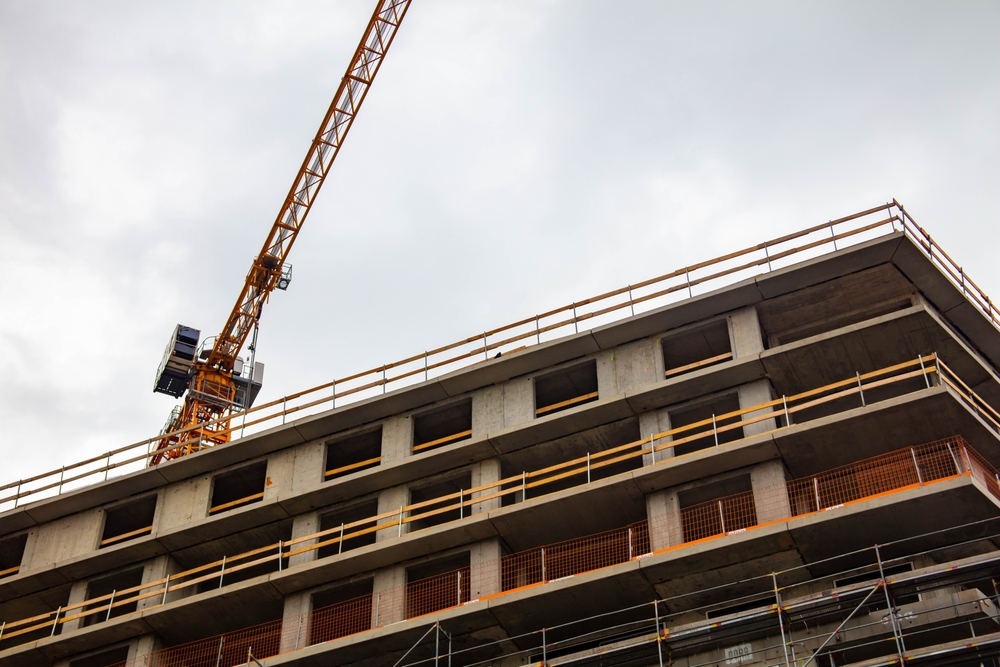
You may pursue a personal injury claim against any party that contributed to your injury, other than your direct employer. These are known as third-party claims. Seeking this additional compensation allows you to recover damages that workers' compensation does not cover.
Investigating all potential defendants requires a sharp eye for legal detail and the ability to gather all the necessary facts. An experienced legal team reviews every person and company involved in the project, from the blueprints to the equipment used.
Determining the full scope of liability helps strengthen your claim for compensation. Potential third parties who may be held liable include:
- The site owner or property owner. The entity or person who owns the land where the construction takes place has a specific legal responsibility for maintaining site safety.
- The general contractor. This party typically oversees the entire project and coordinates all the different trades, bearing the main responsibility for a hazard-free site.
- Subcontractors. A separate company hired to handle a specific part of the work, such as electrical or concrete work, may be liable if their negligence injures an employee of another company.
These parties owe a duty of care to everyone working on the job site. When their failure to meet minimal safety standards leads to a serious injury, you may pursue legal action for damages beyond workers' compensation.
Common Failures Leading to New York City Construction Accidents
The variety of incidents that lead to New York City construction accidents means that negligence may appear in many forms. The most dangerous types often involve falls, falling objects, and machinery issues. Many other circumstances may also contribute to an injury.
You may have a claim when an accident results from a clear failure to follow safety standards. The Occupational Safety and Health Administration (OSHA) tracks the most frequent and dangerous types of job site failures. These incidents often stem from preventable negligence.
The four most common categories of serious construction accidents in the United States are often referred to as the Fatal Four or the Focus Four:
- Ladder fall down accidents. Ladder accidents occur when proper scaffolding or ladder equipment is not provided or set up correctly, violating a fundamental safety duty.
- Struck by an object. Injuries happen when tools, materials, or debris fall from a height due to poor securing or staging, often invoking the Scaffold Law.
- Electrocution. Contact with live wires, improper grounding, or faulty electrical equipment may lead to severe or fatal injuries that stem from poor planning or maintenance.
- Caught-in or -between accidents. These incidents involve a worker becoming pinned or crushed between equipment, objects, or collapsing structures.
It may feel confusing to try to figure out which party failed in their responsibility to act safely. The legal process involves reviewing site safety logs, permits, contractor agreements, and witness accounts. This thorough investigation helps connect the negligence to the appropriate liable party.
What Happens When Defective Equipment Injures a NYC Construction Worker

Construction sites rely heavily on tools, machinery, and safety equipment. You rely on every piece of gear to function as it should. If a piece of equipment fails, the consequences can result in severe injuries.
Defective equipment that causes injuries when used as it’s intended could lead to a claim against the manufacturer or seller of the defective product. This area of law is known as product liability.
A product may be considered defective in a few ways, which determines who holds the fault:
- A flaw in the design. The product, such as a crane or scaffold system, may have an inherent flaw that makes it unreasonably dangerous, even when used as intended. This means the entire product line may be unsafe.
- An error during manufacturing. A manufacturing error may cause the product to fail prematurely or malfunction. The design may be safe, but poor assembly made it dangerous.
- Lack of adequate warnings. The manufacturer may fail to include clear and necessary instructions or warnings about non-obvious hazards of using the equipment. This failure to warn users may cause an accident.
If a defective ladder, faulty power tool, or unsafe vehicle caused your injury, you may pursue a claim against the company that designed, made, distributed, or sold that item. This path focuses on the accountability of those who put dangerous products into the hands of workers.
The Role of Contributory Fault in Construction Accidents
Sometimes the party at fault tries to claim that the injured worker bears some responsibility for the accident. This may involve arguing that their actions contributed to the incident, even if the work environment was unsafe.
The at-fault party may use New York’s pure comparative negligence rule (New York Civil Practice Law and Rules § 1411) to limit its financial responsibility. This rule states that you may still recover compensation if you are found partially at fault, but the court reduces the amount of compensation you may receive by your percentage of fault. For example, if a jury decides you bear 10% of the blame, your total compensation would be reduced by 10%.
However, the Scaffold Law's strict liability means that the comparative fault rule does not apply to those specific elevation-related claims. The entire burden of responsibility rests on the site owner or contractor for certain falling accidents.
Whatever type of accident your specific case involves, a New York City construction accident lawyer fights unfair accusations of fault to preserve the full value of your claim.
Securing Fair Compensation for Your Injuries
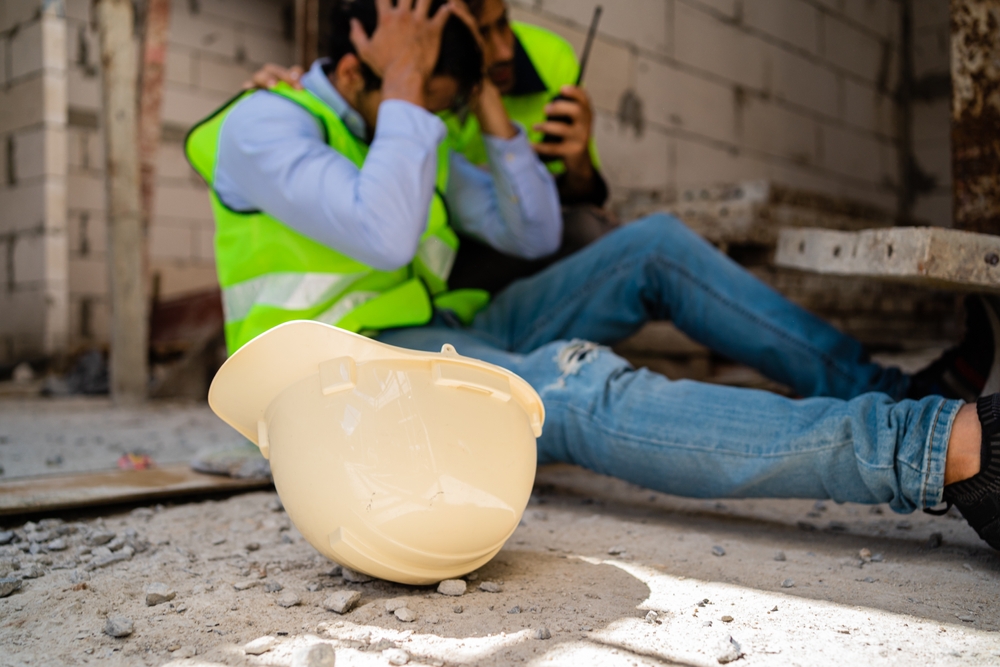
Staggering financial losses often accompany the physical and emotional toll of a serious construction injury. When you pursue a third-party liability claim, the goal is to secure fair compensation that accounts for every way the injury changed your life. Unlike workers' compensation, a personal injury claim allows you to seek damages for pain and suffering.
You may pursue compensation for both economic and non-economic losses. Economic damages cover calculable financial costs, while non-economic damages cover less tangible impacts.
When building a claim, a legal team may help document your full losses, which may include:
- Medical expenses. This covers emergency care, surgery, physical therapy, prescription medication, and future medical needs.
- Lost earnings and benefits. You may pursue compensation for the wages you lost while recovering and any impact on your ability to earn a living in the future.
- Lost earning potential. If your injuries prevent you from returning to work in construction or any physical labor, that will be factored into your losses.
- Pain and suffering. This includes the physical discomfort and emotional distress you experienced due to the injury and your recovery.
- Loss of enjoyment of life. This accounts for how your injuries prevent you from participating in hobbies, family activities, and daily routines you once enjoyed.
A successful third-party claim may provide the financial stability you need to focus on your recovery without the stress of mounting bills. You may fight for fair compensation to help secure your future.
FAQs About Who is Liable in a Construction Accident in New York
What is the deadline for filing a construction accident lawsuit in New York?
Generally, the deadline for filing a personal injury lawsuit in New York is three years from the date of the accident. This time limit is formally called the statute of limitations (New York Civil Practice Law and Rules § 214(5). You should act quickly to ensure your claim falls within this time limit and to allow your legal team to fully investigate the facts while the evidence is still intact.
How much do lawyers charge for a construction accident case?
Most NYC construction accident lawyer teams work on a contingency fee basis. This means the law firm receives a percentage of the final compensation they secure for you. You generally do not pay any legal fees upfront, and you only owe the fee if they successfully obtain a settlement or verdict in your favor. This arrangement removes the financial risk of starting a lawsuit.
What is the difference between a general contractor and a subcontractor?
A general contractor is responsible for overseeing the entire construction project, including scheduling, budget, and overall site safety. A subcontractor is a company hired by the general contractor to complete a specialized task, such as foundation work or roofing. Both parties may be held liable if their negligence causes an injury to a worker on the site.
Does the Scaffold Law apply to homeowners doing renovation work?
No, the Scaffold Law includes an exemption for owners of one- and two-family dwellings who do not direct or control the work. The law focuses primarily on commercial construction, where owners and general contractors have a high degree of control and profit from the work.
What is the legal burden of proof under New York’s Scaffold Law?
The Scaffold Law, New York Labor Law § 240, imposes a standard of strict liability on site owners and general contractors when an elevation-related injury occurs due to a failure to provide proper safety devices.
Strict liability means an injured worker does not need to prove the owner or contractor was negligent; they only need to prove the law was violated and the violation caused their injury.
Can I still file a third-party claim if I was partially at fault for the accident?
New York follows a rule of pure comparative negligence in most personal injury cases. This rule allows you to pursue compensation even if you hold some responsibility for the accident. However, the court reduces the total amount of compensation you may recover by your percentage of fault.
For claims under the Scaffold Law, comparative negligence does not apply because the law imposes strict liability on the owner and general contractor.
Secure Your Future After a Serious Job Site Injury

A serious construction injury changes everything. You don’t have to take on powerful site owners and contractors by yourself. Call Queller Fisher and give your case the legal authority it needs to stand up to the biggest corporations and their insurers.
We are the personal injury law firm other lawyers trust for high-value cases. We pursue maximum compensation for all your injuries and losses. Our NYC construction accident attorneys serve workers across New York City, Brooklyn, Queens, Westchester, Nassau, and Suffolk. Contact us 24/7 at (212) 406-1700 for a free consultation online today.