Construction sites across New York City operate from early morning to late evening, with crews working on projects from Midtown high-rises to Staten Island renovations. In these busy environments, hazards are everywhere, and workers face real risks of falls, electrical shocks, machinery incidents, and exposure to toxic materials.
When an injury occurs, the question often becomes whether the harm is limited to workers’ compensation or whether a third-party claim is available against a property owner, contractor, or equipment manufacturer who failed to provide a safe job site.
If you were hurt on a construction site, taking action quickly helps protect evidence, secure accurate witness accounts, and prevent insurance carriers from shaping the narrative. Call Washor Kool Sosa Maiorana & Schwartz, LLP at (212) 406-1700 to discuss your injury with construction accident attorneys who understand New York’s construction laws and the safety standards that apply to your worksite.
Schedule a Free Case Evaluation
Key Takeaways About NYC Construction Accident Injuries
- Falls from heights often cause the most serious injuries and may trigger strict liability under Labor Law §240(1) when a safety device fails.
- Equipment and machinery incidents can involve multiple liable parties, including manufacturers, rental companies, and contractors responsible for maintenance and training.
- Electrical shocks and burn injuries typically require extensive medical care and may justify claims for long-term treatment and disability.
- Repetitive stress injuries are usually covered by workers’ compensation, but third-party claims may arise when non-employer entities contribute to unsafe working conditions.
- Toxic exposures involving asbestos, lead, silica, or chemicals require specialized legal and medical analysis due to delayed symptoms and complex causation.
Fall-Related Construction Injuries
Falls represent the deadliest hazard on construction sites, causing more fatalities and severe injuries than any other accident type throughout New York's building boom. These incidents occur when scaffolding collapses, ladders slip, or workers step through unguarded openings on projects from Queens warehouses to Brooklyn residential developments.
Labor Law §240(1) holds property owners and general contractors strictly liable when a worker is injured due to an elevation-related hazard and the required safety devices fail to provide proper protection. A worker’s comparative negligence typically does not diminish that liability unless the defendant proves the worker was the sole proximate cause of the construction site accident.
NYC Construction Injuries from Scaffolding and Ladder Falls
Scaffolding accidents can occur when platforms collapse, planks give way, or guardrails fail, while ladder incidents often stem from defective equipment, improper placement, or unsecured footing. These falls frequently cause multiple traumatic injuries.
Although greater height generally increases injury severity, compensation depends on the actual harm suffered—not the distance of the fall. Single-story falls may lead to fractures or concussions, whereas multi-story falls can result in paralysis or death. Construction injury attorneys detail the fall height, landing surface, and safety-equipment failures to establish the extent of damages.
Roof and Floor Opening Accidents
Unprotected roof edges and floor holes create invisible dangers on active construction sites where workers focus on tasks rather than watching every step. Skylight openings, elevator shafts, and stairwells under construction pose particular risks when contractors fail to install proper barriers.
These accidents often occur during routine work activities when attention diverts to job duties. Common injuries from falls through openings and off edges include severe trauma requiring immediate intervention:
- Spinal cord injuries causing permanent paralysis
- Traumatic brain injuries affecting cognitive function
- Multiple fractures requiring surgical reconstruction
- Internal organ damage from impact forces
- Psychological trauma from near-death experiences
Recovery from these catastrophic injuries extends years beyond initial treatment, with many workers never returning to construction careers they spent decades building.
Equipment and Heavy Machinery Injuries on NYC Construction Sites
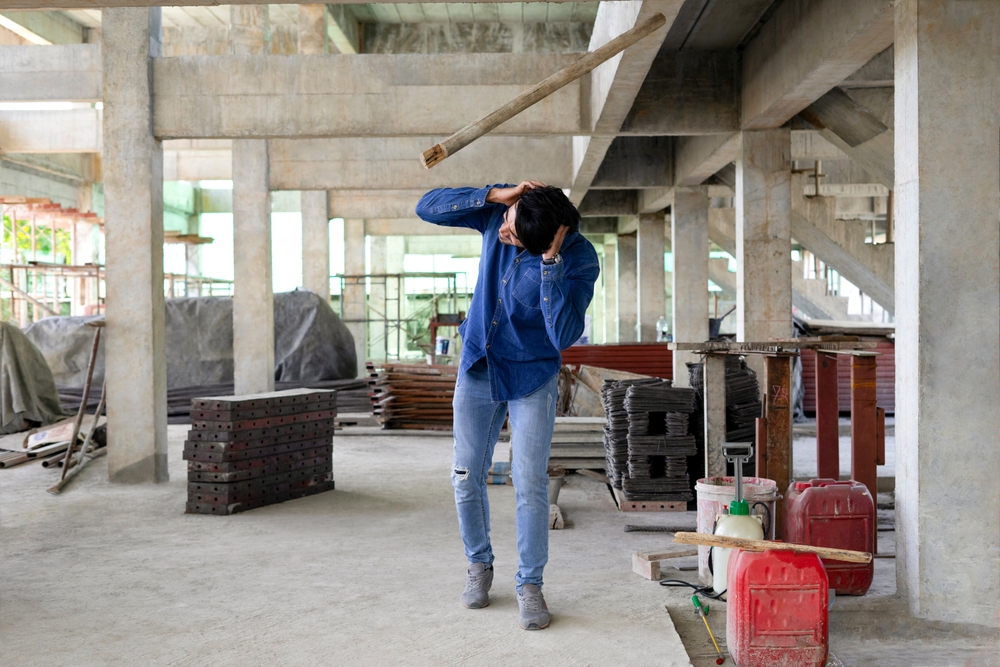
Power tools, heavy machinery, and construction vehicles create constant injury risks on job sites where multiple trades work simultaneously. Defective equipment, inadequate training, and poor maintenance contribute to accidents that construction accident injury attorneys investigate for liability. These cases often involve product liability claims against manufacturers alongside negligence claims against contractors who failed to maintain safe equipment.
Power Tool Accidents
Nail guns, circular saws, grinders, and other power tools cause severe lacerations, amputations, and penetrating injuries when safety features fail or proper guards get removed. Workers face pressure to bypass safety mechanisms that slow production, creating dangerous conditions employers knowingly allow. Tool kickback, blade failures, and electrical malfunctions happen in seconds but cause permanent damage.
Defective tool design may support a product liability claim when a tool contains design, manufacturing, or warning defects that can be shown to have contributed to the injury. Rental companies that provide poorly maintained equipment share responsibility for resulting injuries. Contractors who fail to train workers properly or provide appropriate personal protective equipment bear additional liability.
Crane and Heavy Equipment Incidents
Tower cranes dominating Manhattan's skyline and mobile cranes at Brooklyn construction sites pose catastrophic risk when mechanical failures or operator errors occur. Boom collapses, dropped loads, and tip-overs cause devastating injuries to workers below. Heavy equipment such as excavators, bulldozers, and forklifts operating in confined spaces create struck-by and caught-between hazards.
Equipment operators must have proper training and certification, which employers are responsible for verifying before allowing them to run machinery. In construction accident cases, maintenance logs, inspection records, and operator credentials often serve as key evidence.
When third-party crane companies control the equipment, supply operators, or neglect required safety and maintenance standards, they may also share liability.
Electrical and Burn Injuries
Construction sites contain numerous electrical hazards from temporary wiring, exposed circuits, and contact with power lines that cause severe burns and electrocution. These injuries occur instantly but create lasting damage requiring extensive medical treatment and often preventing return to electrical work.
Construction accident injury attorneys pursue claims against multiple parties responsible for electrical safety on job sites.
Electrocution Hazards and Electrical Injury Risks for NYC Construction Workers
Contact with live wires, faulty equipment grounding, and power line strikes cause electrical injuries ranging from minor shocks to fatal electrocution. Wet conditions common on construction sites increase conductivity and injury severity. Workers using metal ladders or scaffolding near electrical sources face heightened risks.
Electrical injuries affect multiple body systems through various mechanisms that complicate medical treatment:
- Cardiac arrest from electrical current disrupting heart rhythm
- Severe burns at entry and exit points requiring skin grafts
- Neurological damage causing chronic pain and dysfunction
- Muscle damage from electrical current passing through tissue
- Secondary injuries from falls after electrical contact
Long-term effects include chronic pain syndromes, cardiac problems, and neurological deficits that prevent normal activities beyond just returning to work.
Chemical and Thermal Burns
Welding operations, tar applications, and chemical exposures cause burn injuries on construction sites throughout the five boroughs. Steam pipe ruptures in older buildings, concrete burns from prolonged skin contact, and explosion risks from gas leaks create additional burn hazards. These injuries often require specialized burn unit treatment at facilities like NewYork-Presbyterian's burn center.
Employers must provide appropriate protective equipment and training for workers handling caustic substances or working near heat sources. Missing safety data sheets, inadequate ventilation, and improper chemical storage create liability for resulting injuries. Property owners who fail to mark existing hazards like steam pipes or gas lines share responsibility for burn injuries.
Struck By and Caught Between Construction Injuries in New York
Moving vehicles, falling objects, and crushing hazards between equipment and structures cause traumatic injuries on crowded construction sites. These accidents happen quickly when coordination breaks down between different trades working in shared spaces.
Construction accident injury attorneys examine site layout, communication protocols, and safety procedures that failed to prevent these predictable accidents.
Falling Object Injuries
Tools, materials, and debris falling from heights strike workers below despite hard hat protection that only prevents minor injuries. Improperly secured loads, missing toe boards, and careless material handling create preventable hazards. Wind conditions at elevated heights increase risks of objects becoming projectiles.
OSHA regulations require specific protections against falling objects including debris nets, catch platforms, and tool lanyards. Violations of these OSHA standards may be used as evidence of negligence, even though they do not constitute negligence per se under New York law. General contractors controlling site safety bear primary responsibility for preventing overhead hazards that injure workers below.
Vehicle and Equipment Strikes
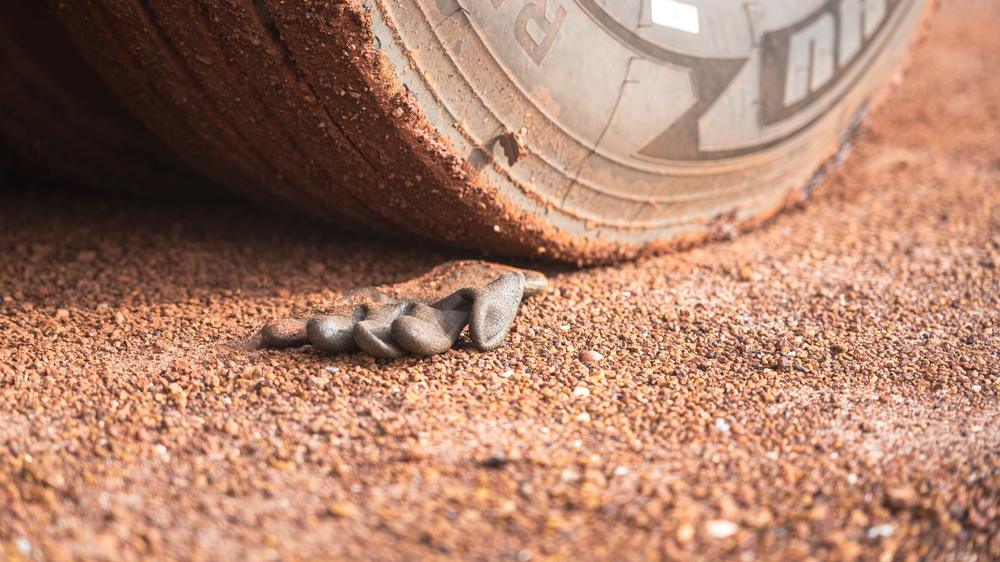
Dump trucks backing without spotters, excavators swinging loads, and forklifts operating in pedestrian areas cause severe crush injuries and trauma. Limited visibility, missing backup alarms, and absent traffic control create deadly conditions. Night work and poor lighting compound vehicle-related hazards on construction sites.
Caught-between injuries occur when workers become trapped between equipment and fixed structures, resulting in crushing trauma. Missing guards, bypassed safety switches, and communication failures contribute to these preventable accidents. Amputation, organ damage, and death frequently result from caught-between incidents.
Toxic Exposure and Respiratory Injuries on New York Construction Projects
Construction workers in both older and newly built structures may be exposed to asbestos, lead paint, mold, silica dust, and chemical fumes. These substances can cause long-developing respiratory and systemic illnesses that often require expert medical evaluation to connect the exposure to the condition.
Asbestos and Lead Exposure
Renovation and demolition in pre-regulation buildings often disturb asbestos and lead that remain common throughout New York City. Asbestos can lead to mesothelioma, lung cancer, and asbestosis years after exposure. Lead dust can impair neurological function and damage multiple organ systems.
Building owners must test for hazardous materials and provide results before work begins. When owners or contractors fail to identify or properly address known hazards, or when they disregard required safety measures and protective equipment, they may be held legally responsible for resulting occupational diseases.
Chemical and Dust Inhalation
Concrete dust containing crystalline silica causes silicosis and other respiratory diseases among construction workers. Paint fumes, adhesive vapors, and welding gases create both acute and chronic health problems. Poor ventilation in confined spaces multiplies exposure concentrations to dangerous levels.
Symptoms of toxic exposure injuries may develop gradually or appear years after exposure:
- Progressive breathing difficulties from lung scarring
- Cognitive impairment from neurotoxic chemical exposure
- Kidney and liver damage from absorbed toxins
- Cancer development from carcinogenic substances
- Immune system dysfunction from chronic exposures
Medical monitoring, early detection, and ongoing treatment costs factor into compensation calculations for exposure-related injuries with long latency periods.
Repetitive Stress and Overexertion Injuries in New York Construction Work
Construction work involves repetitive motions and heavy lifting that lead to gradual joint, muscle, and tissue damage, often forcing workers out of their trades. Although these injuries are typically handled through workers’ compensation, third-party claims may arise when others create ergonomic hazards or disregard known risks.
Repetitive stress injuries vary by trade: carpenters often develop shoulder problems from overhead tasks, masons suffer back injuries from lifting, and jackhammer operators face hand-arm vibration syndrome. These conditions worsen without adequate rest and treatment.
When productivity is prioritized over safety, non-employer third parties may face negligence or Labor Law claims. Employers, however, are generally protected from direct civil suits under New York workers’ compensation law, except in limited circumstances involving contribution or indemnification related to a “grave injury.”
How Washor Kool Sosa Maiorana & Schwartz, LLP NYC Construction Accident Lawyers Build Your Case
Washor Kool Sosa Maiorana & Schwartz, LLP’s construction accident attorneys handle all types of New York worksite injuries, from fractures to severe brain trauma. Their team identifies injury patterns that signal safety violations, defective equipment, or negligent contractors, and works with medical, safety, and vocational experts to document how those injuries affect a worker’s ability to return to the job.
Based in the Woolworth Building and the Bronx, the firm represents injured construction workers across all five boroughs on a contingency basis. Their investigations focus on whether employers provided proper safety gear, adequate training, and appropriate supervision. A multilingual staff helps clients manage medical care, insurance issues, and legal steps after an accident.
With extensive experience against insurers, the firm understands how injury claims are minimized and which experts offer credible evaluations. They pursue all available compensation, including workers' compensation and third-party Labor Law claims. Their record includes significant recoveries for injuries ranging from scaffolding falls to toxic exposures.
FAQs for Construction Accident Injury Attorneys
Which construction injuries qualify for lawsuits beyond workers' compensation?
Construction workers can sue responsible third parties, such as property owners or contractors, even if their injuries do not meet New York’s “grave injury” definition. That standard only affects whether an employer can be added to the case. Workers can still file claims for accidents involving height hazards under Labor Law 240(1), safety violations under 241(6), or injuries caused by non-employer parties like property owners or equipment manufacturers.
How long do I have to file a construction injury lawsuit?
Most construction injury lawsuits must be filed within three years of the accident date in New York. However, toxic exposure cases may have different deadlines based on discovery of illness. Workers' compensation claims have separate, shorter deadlines starting at 30 days for notice.
What if my employer says my injury isn't work-related?
Employers often dispute work-relatedness to avoid workers' compensation claims and prevent lawsuits. Construction accident injury attorneys gather evidence proving injuries occurred during work activities. Medical documentation, witness statements, and employment records establish work connections.
Can I sue if safety equipment was provided but I wasn't using it?
Potentially yes, depending on circumstances. Defective equipment, inadequate training, or employer pressure to work unsafely may create liability despite non-use. New York's Labor Law 240(1) provides protection regardless of worker conduct for elevation-related injuries.
Do gradual onset injuries like back problems qualify for construction accident claims?
Yes, repetitive stress injuries from construction work qualify for workers' compensation and potentially third-party claims. Documentation showing injury development over time, job duties contributing to injury, and employer awareness strengthen these claims.
Talk to a NYC Construction Accident Lawyer About Your Injury
Construction injuries disrupt your ability to work, create financial strain, and affect the routines your family depends on. Meanwhile, employers and insurance carriers often act quickly to protect their own interests and shape the record. Delaying legal help can make it harder to preserve evidence, document site conditions, and obtain accurate witness statements.Property owners, contractors, and insurance companies should be held accountable for unsafe job conditions that caused your injury. Call Washor Kool Sosa Maiorana & Schwartz, LLP at (212) 406-1700 to discuss your case with attorneys experienced in New York construction law and site safety requirements.