Nearly 700 construction workers were injured on the job in New York City in one recent year. Many of these injuries occurred on sites where safety procedures failed, and reporting those failures properly can make a major difference in what happens next.
Many workers injured on construction sites aren’t sure what steps to take or even how to file a construction accident report. One of the most important steps is making sure the incident is properly reported, even if you’re not the one filling out the form.
While your employer is typically responsible for submitting the official accident report, you still need to verify that it’s completed accurately and thoroughly. Accident reports that aren’t filled out accurately or on time could affect your ability to seek compensation beyond what workers’ comp provides.
An accurate and properly documented report strengthens your case and helps your construction accident attorney protect your rights.
Schedule a Free Case Evaluation
Key Takeaways: What to Know About Filing a Construction Accident Report
- Construction accident reports document key facts that help support personal injury claims when negligence is involved.
- While employers usually fill out the report, you should always ask for a copy and review it carefully.
- Inaccurate or incomplete reports can jeopardize your ability to pursue legal action against third parties.
- You may have additional reporting responsibilities depending on the severity of the injury and whether government agencies like OSHA are involved.
- A construction accident attorney can help gather evidence, correct report errors, and strengthen your legal claim.
What Is a Construction Accident Report?
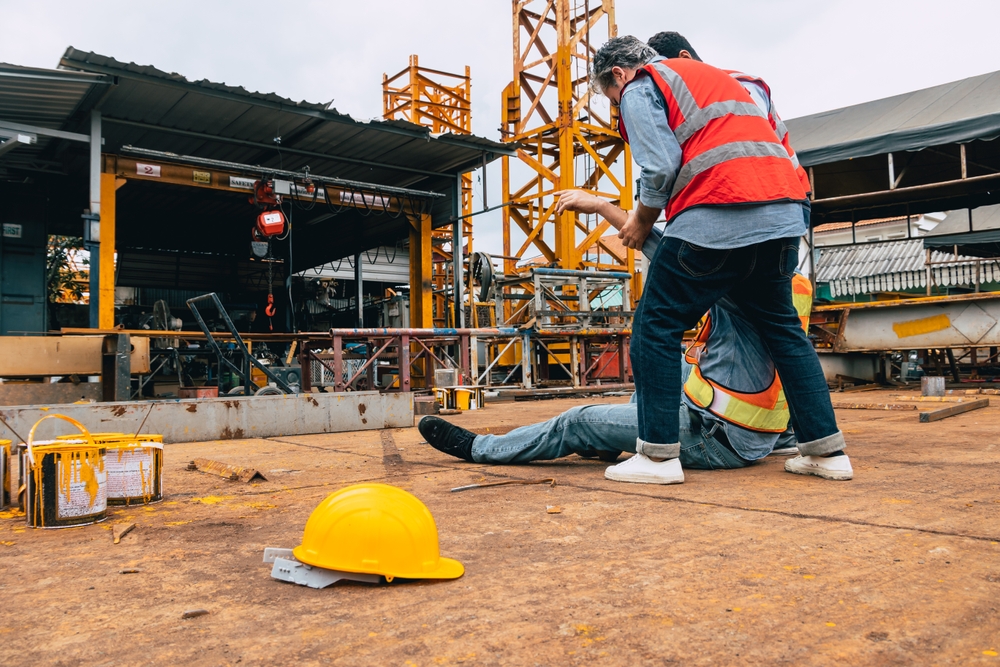
After a construction site injury, the first official record of the incident is usually the accident report. This report is often written by a supervisor or safety officer and submitted to both the employer and, in many cases, state or federal safety regulators. It’s not the same as a workers' compensation claim or a personal injury lawsuit. It’s simply a factual record of what occurred.
The report should detail what happened, when and where it happened, what equipment or tools were involved, who was nearby, and what injuries were observed or reported. While it may seem like routine paperwork, it often becomes a key piece of evidence in personal injury litigation or third-party claims.
Your Role in the Accident Report Process
You might assume that since someone else is responsible for filing the report, you don’t need to be involved. That’s not the case. If the report contains inaccurate information, leaves out key details, or fails to mention safety hazards, it could be used to minimize your injuries or even dispute the validity of a claim you file against a third party.
You don’t have to submit the report yourself, but you do have every right to review it and ask that it be corrected if anything is wrong. A construction accident attorney can help with this and ensure your voice is included in the official record.
Here are a few things you should do if you're injured:
- Ask your supervisor if an official report has been completed
- Request a written copy of the report for your own records
- Review the report for accuracy and completeness
- Note any incorrect or missing details and follow up to get them corrected
- Inform your attorney about any discrepancies
Even if your employer does everything by the book, it's smart to have your own copy and stay actively involved. This report could impact your case if you pursue legal action beyond workers' compensation.
Required Reporting Under New York and Federal Law
If your construction accident happened in New York City or elsewhere in the state, several laws may apply. New York Labor Law Sections 200, 240, and 241(6) establish strict safety standards for construction sites, and these laws often play a role in determining liability after a serious injury.
In addition to New York-specific laws, there are also federal reporting obligations under the Occupational Safety and Health Administration (OSHA). Employers must report serious workplace injuries to OSHA promptly:
- Fatalities must be reported within 8 hours
- Hospitalizations, amputations, or eye loss must be reported within 24 hours
- Reports can be submitted online or by calling OSHA directly.
While the employer typically handles OSHA reporting, it's a good idea to verify that it was done, especially if the accident involved serious injuries or unsafe conditions. Reporting to OSHA can also trigger a workplace investigation, which may uncover safety violations that support your legal claim.
What Information Should the Report Contain?
A well-prepared construction accident report includes more than just a basic description of what happened. It should be detailed, accurate, and specific. Missing or vague information can weaken your case or lead to questions about what really occurred.
Here’s what a complete construction accident report should include:
- Exact date, time, and location of the incident
- Names and roles of all involved individuals
- Detailed narrative of the incident, including what led up to it
- Descriptions of any equipment, tools, or vehicles involved
- Immediate injuries reported or observed
- Any statements made by witnesses or supervisors
- Photographs, if taken at the scene
Even if you're not the one filling it out, make sure this information is included. Ask a supervisor or union rep to provide the report if you haven’t received one within a few days of the accident.
Who Else Should You Report the Accident To?
While the construction site supervisor usually files the internal report, you may also need to notify other parties to protect your legal rights. This could include:
- Your union representative
- A personal injury lawyer
- The property owner or general contractor (if different from your employer)
- Your private health insurance company (if used for treatment)
- OSHA or the New York State Department of Labor if conditions were unsafe
Each of these parties may require different documentation. A lawyer can help organize this and ensure you don’t miss any critical steps.
How Reporting Affects a Personal Injury Case
If you’re thinking about filing a personal injury claim after a construction accident, the official report is often one of the first documents an attorney will request. It helps establish the timeline of events, verify what was observed at the scene, and determine whether any safety regulations were violated.
Your legal team may also compare the report with:
- Witness statements
- Site photographs
- Medical records
- OSHA or Department of Labor findings
Inconsistencies between these sources can raise questions, so it’s important the report accurately reflects your account. If something’s missing or incorrect, your attorney may submit a written statement to clarify the record or request amendments.
How to Spot Problems in Your Construction Accident Report
Even a small error in a construction accident report can create issues later. It’s common for injured workers to find that their report:
- Leaves out key safety concerns
- Misstates the equipment or materials involved
- Incorrectly describes the injuries or what caused them
- Omits witness names or statements
- Fails to mention whether proper protective gear was used
Sometimes, these mistakes are unintentional. Other times, they may reflect a bias to protect the employer or avoid liability. Either way, it’s critical that the report tells the full, accurate story. If it doesn’t, your attorney may help document corrections or submit a supplementary statement.
What to Do if No Report Was Filed
In some cases, a supervisor may delay filing the report or fail to file one at all. This is especially concerning in serious injury cases, where state and federal laws require prompt reporting. If this happens, don’t wait.
Here are some steps to take if no report was filed:
- Write down your own detailed version of events immediately
- Gather any photos, messages, or notes you took after the incident
- Identify coworkers or witnesses who saw what happened
- Notify your union representative (if applicable)
- Contact a construction accident attorney who can act quickly on your behalf
Lack of a formal report doesn’t prevent you from pursuing a legal claim, but it can make your case harder to prove. Prompt documentation and legal help can reduce the impact of this missing evidence.
Why You Still Need Legal Help, Even If a Report Exists
Even the most accurate construction accident report is only one part of a larger legal picture. These reports often don’t assign fault or investigate whether third-party negligence was involved. In New York, construction accidents frequently lead to claims against contractors, property owners, or equipment manufacturers.
An experienced attorney can:
- Identify all parties who may be legally responsible
- Preserve time-sensitive evidence
- Secure OSHA inspection reports and safety citations
- Consult with engineers, safety experts, and economic loss professionals
- Build a compelling case that goes beyond the accident report
If your injuries were serious or if your ability to work has been impacted, legal representation can make the difference in the outcome of your case.
When to Contact a Lawyer After a Construction Accident
You don’t need to wait for the report to be filed to get help. In fact, it’s often better to speak with a lawyer right away, even before reviewing the report. Early legal advice can help you:
- Avoid mistakes in what you say to your employer
- Collect evidence that may be cleaned up or removed quickly
- Understand whether third-party liability may exist
- Protect your ability to file a lawsuit in addition to any workers’ compensation claim
Waiting too long can limit your legal options. In New York, for example, the statute of limitations for most construction accident lawsuits is three years from the date of injury, but certain claims may have shorter deadlines.
Frequently Asked Questions About Writing Construction Accident Reports
What if I don’t remember all the details right away?
That’s completely normal. If you’re unsure about details, it’s better to be honest and say so rather than guess. You can update or supplement your account later as more information comes back to you.
Can I write my own accident report?
You can write a personal statement about what happened, which can be valuable for your attorney or as part of your claim. However, the official report is usually completed by your employer or site supervisor.
What if my employer refuses to file the report?
If your employer refuses to document the accident, this may violate state or federal safety laws. Contact OSHA or speak to a lawyer immediately. A legal advocate can help compel the employer to take action or document the refusal.
Do I need to report the accident to anyone other than my employer?
Possibly. Depending on your role and the nature of the accident, you might also notify a union, general contractor, or insurance provider.
Can I still file a lawsuit if I accepted workers’ compensation?
Yes, in some cases. Workers’ compensation prevents you from suing your employer, but you may still pursue a personal injury lawsuit against other responsible parties, like contractors or property owners. A lawyer can help determine whether you qualify.
Give Your Case Legal Authority with Washor Kool Sosa Maiorana & Schwartz, LLP

If you’ve been injured on a construction site in New York City or the surrounding areas, the report your employer files is a pivotal document that affects you and your future directly. It’s always a good idea for construction workers to obtain legal guidance after a workplace injury to ensure the report is accurate. It will be a key document should you decide to claim compensation in addition to workers’ comp benefits if a third party was involved in your accident.
The construction accident attorneys at Washor Kool Sosa Maiorana & Schwartz, LLP have decades of experience helping injured workers pursue fair and full compensation from the parties responsible for unsafe worksites.
We handle serious, high-stakes cases involving life-altering injuries, and we’re known throughout New York for our personal attention, tenacious advocacy, and our ability to obtain the results our clients need.
We offer consultations by phone, video, or in person. If your injuries prevent you from traveling, we’ll come to you. Contact our New York City office at (212) 406-1700 or reach out to our Bronx office at (718) 892-0400 for a free consultation. We’re available 24/7, and there’s never a fee unless we win.