A torn carpet in a Brooklyn apartment lobby. Black ice outside a Manhattan office building. A broken handrail in a Queens parking garage. These hazards often exist when property owners fail to address unsafe conditions.
New York law requires property owners and managers to maintain their premises in reasonably safe condition and address dangerous conditions. When that duty is ignored, visitors may suffer serious harm, such as broken bones, head injuries, or spinal damage, often followed by costly medical care, time away from work, and extended recovery.
Premises liability law covers a wide range of property-related accidents, each with specific requirements for proving responsibility. Knowing how an accident occurred and whether a property owner failed to meet their legal obligations can help clarify whether a claim may exist.
If you were injured on someone else’s property, contact Washor Kool Sosa Maiorana & Schwartz, LLP to speak with a New York premises liability lawyer about your situation and potential next steps.
Schedule a Free Case Evaluation
Key Takeaways About Premises Liability Accidents in New York
- Property owners in New York must maintain reasonably safe conditions and either fix known hazards or warn visitors about them.
- Slip and fall accidents, inadequate security injuries, and elevator malfunctions are among the most common types of premises liability cases in NYC.
- Proving a premises liability claim requires showing that the property owner knew or should have known about the dangerous condition.
- New York's comparative negligence rules mean your compensation may be reduced if you share some fault for the accident.
- Speaking with a premises liability lawyer early helps preserve evidence and protect your legal options.
How a Premises Liability Lawyer at Washor Kool Sosa Helps Injury Victims
The attorneys at Washor Kool Sosa Maiorana & Schwartz, LLP have spent more than 60 years representing injury victims throughout the five boroughs and surrounding areas. Our team handles premises liability cases involving slip and fall injuries, building code violations, negligent security, and unsafe property conditions throughout New York City and surrounding areas.
Exposed Results That Demonstrate Our Commitment
Our firm has recovered substantial compensation for clients harmed by negligence. In premises liability matters, we have achieved favorable outcomes in cases involving unsafe walkways, hidden ice conditions, and injuries caused by defective property conditions. These results reflect our ongoing focus on pursuing accountability for negligent property owners across New York.
An Approach Focused on Your Recovery
We take the time to understand your situation before building a legal strategy. Our premises liability attorneys investigate the scene, gather maintenance records, review surveillance footage, and work with professionals who reconstruct how the accident happened.
We also handle communication with insurance companies so you may focus on healing. Because we work on a contingency fee basis, you pay nothing unless we recover compensation on your behalf.
What Are the Most Common Premises Liability Accidents in NYC?
New York City’s dense, aging, and heavily trafficked environment creates frequent safety hazards on residential, commercial, and public property. When owners fail to maintain safe conditions, injuries often follow. Common premises liability accidents include:
Slip and Fall Accidents
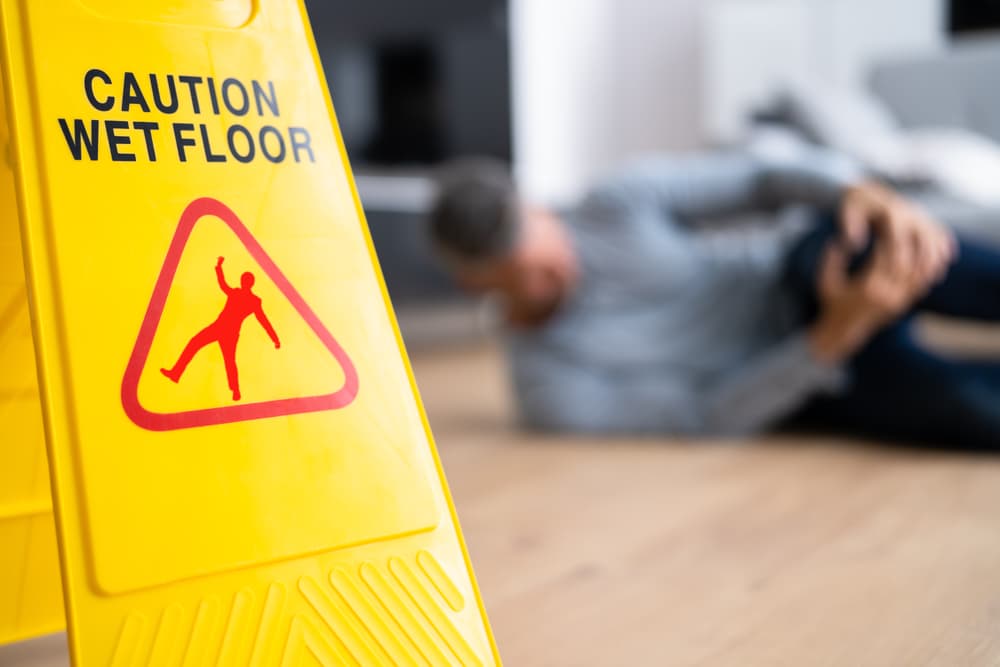
Wet floors, icy sidewalks, loose tiles, torn carpeting, and spills cause many injuries in New York City. Property owners must inspect their premises and address hazards within a reasonable period.
Courts examine whether the owner created the condition or knew, or should have known, it existed. Snow and ice cases are frequent because owners must clear sidewalks after storms.
Trip and Fall Accidents
Uneven surfaces and unexpected obstacles, including cracked sidewalks or broken steps, often lead to injuries. Under NYC Administrative Code Section 7-210, property owners are generally responsible for maintaining the sidewalks next to their buildings.
Negligent Security Injuries
Property owners may be liable for injuries caused by foreseeable criminal activity when reasonable security measures are lacking. These cases often involve broken locks, poor lighting, or missing security personnel or cameras. Courts consider prior criminal activity, known security risks, and whether safety measures were working at the time.
Elevator and Escalator Accidents
Elevator and escalator failures can cause serious harm through sudden stops, misleveling, door malfunctions, or entrapments. Owners must comply with New York inspection and maintenance requirements and address known problems.
Swimming Pool Accidents
Pool-related claims often involve drownings, slip and falls, and diving injuries. Common causes include inadequate fencing, slippery decks, missing drain covers, lack of safety equipment, and missing warning signs. Owners must follow safety and supervision rules for residential and commercial pools.
Dog Bites and Animal Attacks
Dog bites frequently occur on private property and may fall under premises liability law. Owners of dogs known to be dangerous face heightened liability, and landlords may be responsible in limited situations. Injuries can include puncture wounds, infections, scarring, and emotional trauma.
Retail Store and Restaurant Accidents
Stores and restaurants must keep aisles clear, clean spills promptly, maintain flooring, and warn customers of temporary hazards. Common dangers include spilled liquids, debris, wet entryways, uneven flooring, and blocked walkways. Inspection records and employee practices often play a role in these cases.
Who Can Be Held Liable in a New York Premises Liability Case?
A premises liability claim may involve more than the person or company that owns the property. Liability depends on who controlled or maintained the area where the injury occurred. A New York premises liability lawyer reviews all potentially responsible parties when evaluating a claim.
Property owners may be liable when they fail to repair hazards, correct unsafe conditions, or warn visitors of known dangers. Landlords are often responsible for injuries in common areas such as stairwells, hallways, entrances, elevators, and adjacent sidewalks, particularly when repairs were delayed after notice.
Property management companies may also face liability when they oversee inspections, maintenance, or repairs and fail to address unsafe conditions. Commercial tenants, including retail stores, restaurants, and office occupants, may be responsible for hazards inside the areas they control. In some cases, liability may be shared between the owner and tenant based on lease terms.
Maintenance contractors and security companies may be liable when injuries result from negligent repairs, poor cleaning practices, inadequate snow and ice removal, or insufficient security services. Accidents on public property may involve city or state agencies and are subject to strict notice and filing deadlines. A premises liability lawyer can determine whether a government entity may be responsible.
What Types of Properties Are Covered by New York Premises Liability Law?
Premises liability law applies to a wide range of properties throughout New York. Coverage depends on whether the injured person was lawfully on the property and whether the owner or manager had a duty to maintain safe conditions.
Residential premises liability claims often arise in apartment buildings, condominiums, and single family homes and may involve unsafe stairways, poor lighting, broken handrails, icy walkways, pools, or animals. Commercial properties such as stores, restaurants, office buildings, and shopping centers also frequently give rise to claims due to high foot traffic and routine maintenance issues.
Parking garages, hotels, construction sites, schools, hospitals, and care facilities may fall under premises liability law when unsafe conditions cause injury. Public sidewalks and outdoor areas may be the responsibility of either the adjacent property owner or a government entity, depending on location and use.
If an injury occurred on property you did not own or control, a New York premises liability lawyer can review the property type and circumstances to determine whether a claim may apply.
How Do You Prove a Premises Liability Claim in New York?
Winning a premises liability case requires more than showing you were hurt on someone's property. You must demonstrate that the property owner breached their duty of care and that this breach caused your injuries.
Establishing the Property Owner's Knowledge
New York law requires premises liability plaintiffs to show the property owner had actual or constructive notice of the dangerous condition. Actual notice means the owner knew about the hazard, perhaps because someone reported it or an employee created it. Constructive notice means the hazard existed long enough that a reasonable property owner should have discovered and corrected it.
Evidence of notice may come from maintenance requests, inspection logs, employee testimony, surveillance footage, or the nature of the hazard itself. A large accumulation of dirt or debris suggests a condition existed for an extended period. A fresh spill with no time for discovery presents a more difficult case.
How Building Code Violations Affect Your Claim
Violations of New York City's building code or housing maintenance code may support a premises liability claim. When a property owner ignores required repairs, fails to maintain proper lighting, or allows structural defects to persist despite code violations, that evidence strengthens the argument that they breached their duty of care.
Code violations do not automatically establish liability, but they provide strong evidence that conditions fell below acceptable safety standards. Inspection reports from the New York City Department of Buildings and records of prior complaints help establish patterns of neglect.
Understanding Comparative Negligence in New York
New York follows a pure comparative negligence rule under CPLR Section 1411. This means your compensation may be reduced by your percentage of fault for the accident.
If a jury finds you 20 percent responsible, your recovery is reduced by 20 percent. Unlike some states, New York allows recovery even if you bear more than half the blame.
Property owners and insurance companies often argue that injured visitors should have noticed and avoided the hazard. An experienced premises liability lawyer anticipates these arguments and gathers evidence showing the hazard was difficult to see, that you were distracted by legitimate business on the property, or that the owner's negligence far outweighed any inattention on your part.
FAQs for Premises Liability Lawyers
How long do I have to file a premises liability lawsuit in New York?
New York's statute of limitations gives most premises liability victims three years from the date of injury to file a lawsuit. Claims against the City of New York or other government entities require a Notice of Claim within 90 days of the accident. Missing these deadlines may bar your recovery entirely, making prompt consultation with a premises liability attorney advisable.
What compensation may be available in a premises liability case?
Premises liability victims may recover compensation for medical expenses, lost wages, diminished earning capacity, pain and suffering, and emotional distress. The specific damages available depend on the severity of your injuries and their impact on your life. In cases involving particularly reckless conduct, punitive damages may also be possible.
Do I need to prove the property owner was negligent?
Yes. New York premises liability law requires showing the property owner knew or should have known about the dangerous condition and failed to fix it or warn visitors. Simply being injured on someone's property does not establish liability. Evidence of how long the hazard existed and whether the owner had opportunities to address it becomes central to most cases.
What if I was partly at fault for my accident?
New York's comparative negligence rule allows you to recover compensation even if you share some blame for the accident. Your award decreases by your percentage of fault. A premises liability lawyer helps present evidence minimizing your attributed negligence and maximizing the property owner's responsibility.
How much does it cost to hire a premises liability lawyer?
Most premises liability lawyers, including the attorneys at Washor Kool Sosa Maiorana & Schwartz, LLP, work on a contingency fee basis. You pay no upfront costs, and attorney fees come from any settlement or verdict obtained on your behalf. If there is no recovery, you owe nothing for legal fees. This arrangement allows injured people to pursue claims regardless of their financial situation.
Contact a New York Premises Liability Lawyer Today
Your injuries may be the result of a property owner’s failure to maintain safe conditions. When hazards are left unaddressed, people can be seriously hurt.
Delays can weaken a premises liability claim. Evidence may be lost, witnesses can become difficult to locate, and recollections may fade with time. Taking prompt action helps preserve the facts needed to support your case.
For more than 60 years, the premises liability attorneys at Washor Kool Sosa Maiorana & Schwartz, LLP have represented injured individuals throughout New York City and the surrounding region. Contact our Manhattan office to speak with a premises liability lawyer about your case.