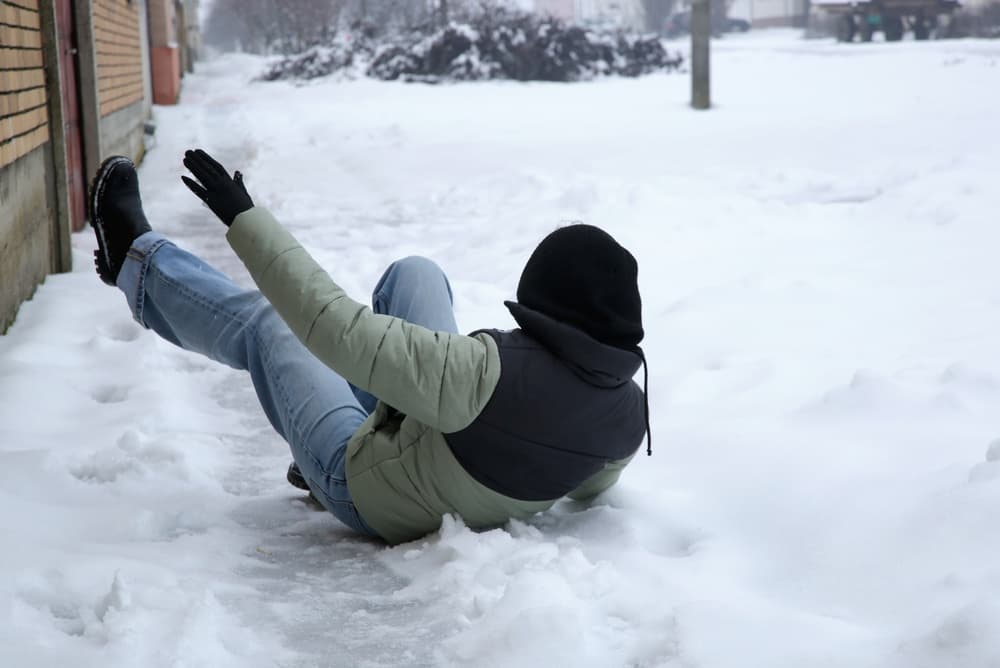
Slipping on ice in New York is more than a momentary loss of footing. Falls on icy sidewalks, building entrances, and parking areas often cause broken bones, head injuries, and other conditions that require ongoing medical care.
These injuries can lead to time away from work, continuing treatment, and serious financial pressure. While winter weather is expected, property owners may be held liable for dangerous snow or ice conditions if they had a legal duty to act, knew or should have known about the hazard, and failed to take reasonable steps to address it.
Under New York law, an injured person may be able to pursue a claim against a property owner, business, landlord, or, in limited cases, a municipality for unsafe snow or ice conditions. Liability depends on the location of the fall, how long the condition existed, and whether the responsible party had notice.
If you were injured in an ice-related fall, contact the New York slip and fall lawyer at Washor Kool Sosa Maiorana & Schwartz, LLP to discuss how the law may apply to your situation.
Schedule a Free Case Evaluation
Key Takeaways About Liability for a Fall on Ice and Snow
- Property owners in New York have a legal duty to maintain their premises in a reasonably safe condition, which includes addressing snow and ice accumulation.
- Under New York’s storm in progress doctrine, a property owner is generally not liable for injuries caused by snow or ice accumulation while a storm is actively ongoing, unless the hazardous condition is unrelated to the storm or was created by the owner’s prior conduct.
- Specific local ordinances, like those in New York City, dictate how much time property owners have to remove snow and ice from sidewalks after a storm concludes. Failure to comply might be evidence of negligence.
- Proving liability requires showing the property owner knew, or should have known, about the dangerous icy condition and failed to take reasonable steps to fix it.
- The type of property where the fall occurred, whether it is residential, commercial, or municipal, can significantly change the rules for liability and the deadlines for taking legal action.
What Is a Property Owner’s Responsibility for Snow and Ice in New York City?
In New York, all property owners have a general obligation to keep their grounds reasonably safe for visitors and passersby. This responsibility is not suspended during the winter months.
It extends to clearing snow and ice from sidewalks, parking lots, and walkways. A property owner who fails to address a dangerous icy condition may be considered negligent.
This property owner's negligence is often the basis of a personal injury claim. However, the law provides some leeway, as property owners are not expected to clear snow and ice instantaneously and must be given a reasonable amount of time to act after a storm.
The "Storm in Progress" Rule
A key concept in these cases is the "storm in progress" rule. This legal doctrine protects property owners from liability for accidents that happen while a winter storm, such as a blizzard or freezing rain, is still occurring. The owner's duty to clear the hazard begins once the storm has passed and they have had a reasonable window of opportunity to make the area safe.
What Do New York City Snow and Ice Removal Laws Require?
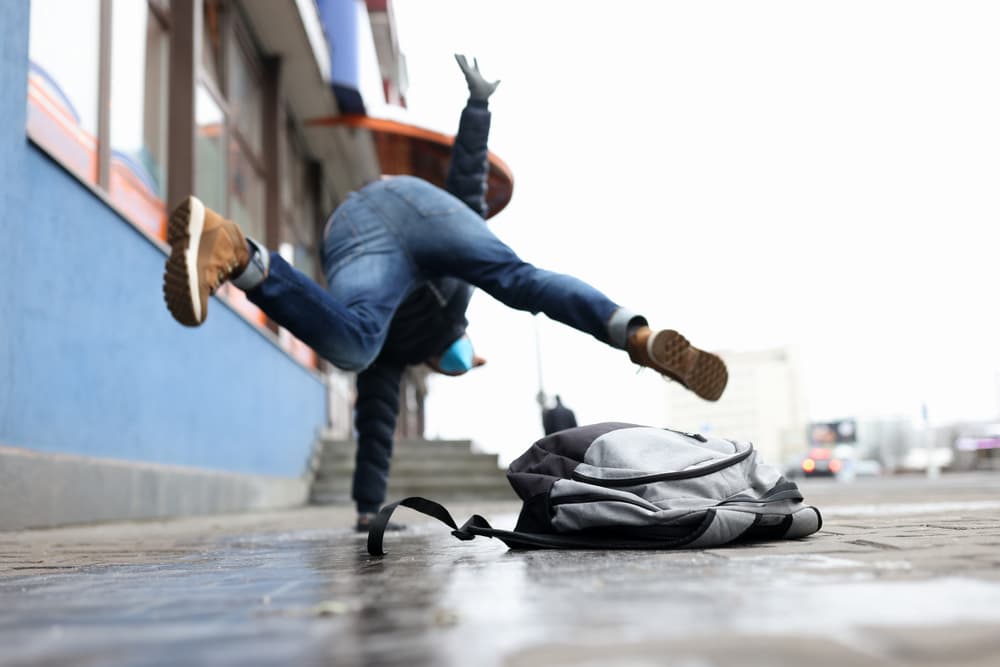
New York City has specific laws that detail a property owner’s obligations. These rules remove ambiguity and set clear expectations for when sidewalks must be cleared.
Understanding these local ordinances is vital for any slip and fall claim. A knowledgeable slip and fall lawyer uses these statutes to establish a property owner's failure to comply with their legal duties.
Under New York City Administrative Code § 7-210, owners of most properties abutting public sidewalks are responsible for maintaining those sidewalks in a reasonably safe condition, including the removal of snow and ice.
The timeframe for this removal is directly tied to when the snowfall stops. This creates a clear timeline for determining if a property owner acted appropriately.
The law sets forth a specific schedule for clearance. Failure to comply with these deadlines may be used as evidence of negligence if someone is injured as a result of an unsafe sidewalk condition.
Here are the key timeframes for snow and ice removal in NYC:
- If the snow stops falling between 7:00 AM and 4:59 PM, the sidewalk must be cleared within four hours.
- If the snow stops falling between 5:00 PM and 8:59 PM, the sidewalk must be cleared within fourteen hours.
- If the snow stops falling between 9:00 PM and 6:59 AM, the sidewalk must be cleared by 11:00 AM the following day.
These strict deadlines are in place to protect pedestrians across Manhattan, The Bronx, and all other boroughs. A failure to meet these timelines can serve as powerful evidence in a personal injury claim filed by a slip and fall lawyer.
Distinctions Between Property Types
The responsibility for clearing ice and snow can vary based on the type of property. For one-, two-, or three-family residential properties, liability may be limited, particularly if the property is owner-occupied, though owners may still have obligations related to snow and ice removal under local law. For a multi unit apartment building, the landlord or a property management company usually holds this duty.
With commercial properties, the responsibility might fall on the business owner or the property owner, depending on the terms of the lease. An experienced NYC slip and fall attorney can parse lease agreements and property records to identify the liable party.
What Should You Do After a Slip and Fall on Ice or Snow?
The actions you take immediately following a fall can be very important for your health and any future legal claim. Your first priority must be your well being. Seek medical attention right away, even if you feel your injuries are minor. Some serious conditions may not present symptoms immediately.
Documenting the scene is also very helpful. If you are able, use your phone to take pictures of the exact spot where you fell. Capture the icy or snowy condition from multiple angles. Also take photos of the surrounding area, including any nearby buildings or landmarks.
These initial steps can provide your slip and fall lawyer with valuable information. To help document the scene effectively, try to gather the following:
- Clear photographs of the ice or snow that caused you to fall.
- Names and contact information of anyone who witnessed the incident.
- A written note of the exact date, time, and weather conditions.
- The names of any employees or managers you spoke to if the fall occurred at a business.
This evidence preserves a snapshot of the hazardous conditions at the time of the incident, which can be critical later when memories fade and conditions change. This documentation may be very useful later when memories have faded and the condition of the sidewalk has changed.
How Is Liability Proven in a New York Slip and Fall Case?
To succeed in a slip and fall claim, an injured person must establish that the property owner owed a duty of care, breached that duty through negligence, and caused compensable injuries. In practical terms, this means showing the owner knew or should have known about the dangerous condition and failed to address it.
A skilled slip and fall lawyer seeks to prove that the property owner had either actual or constructive notice of the hazard. Actual notice exists when the owner was directly aware of the icy patch. Constructive notice applies when the condition existed for a sufficient period that a reasonably diligent owner should have discovered and remedied it.
Your slip and fall lawyer will use many forms of evidence to build your case. This evidence might include:
- Weather Records: Official reports from sources like the National Oceanic and Atmospheric Administration (NOAA) can establish when a storm ended, proving the owner had sufficient time to clear the ice.
- Photographs and Videos: Visual evidence of the hazardous condition is highly persuasive.
- Witness Testimony: Statements from people who saw the fall or who were aware of the icy patch before your accident can support your claim.
- Property Maintenance Logs: These records might show when the owner last inspected or cleared the area.
Proving notice is often the most challenging aspect of a slip and fall case. A thorough attorney investigation can uncover the evidence needed to demonstrate that the property owner breached their duty of care. Establishing a breach of duty is a central element of any premises liability claim under New York law.
What Compensation Is Available After a Slip and Fall on Ice?
A serious injury from a fall can lead to significant financial and personal losses. A successful claim may allow you to recover compensation, also known as damages, for these losses. The goal is to help you manage the financial burdens imposed by the injury so you can focus on your recovery.
Damages are categorized as economic and non economic. Economic damages are for direct financial losses with a clear monetary value. Non economic damages compensate for the personal, non monetary impact of the injury.
You may be able to recover compensation for several types of damages. A settlement or award might include amounts for:
- Current and future medical expenses related to the injury.
- Lost wages from being unable to work during your recovery.
- Reduced future earning capacity if you cannot return to your previous job.
- Pain and suffering caused by the physical injury and its treatment.
- Loss of enjoyment of life due to limitations caused by the injury.
Each case is unique, and the value of a claim depends on the severity of the injuries and the total impact on your life. Your attorney will carefully document all of your losses to seek the full amount of compensation available.
In most personal injury cases, New York law, including CPLR § 214, imposes a three-year statute of limitations, though claims involving municipalities or public authorities are subject to significantly shorter deadlines.
How Can a Slip and Fall Lawyer Help With Your Case?
After a fall on ice, you may face mounting medical bills and an inability to work while navigating a painful recovery. A Washor Kool Sosa Maiorana & Schwartz, LLP attorney can help lift the burden by managing every aspect of your injury claim. We investigate the circumstances of your fall, gathering weather reports, photographs of the scene, and witness statements to build a strong foundation for your case.
Our team understands the specific codes and statutes that govern snow and ice removal in New York City and The Bronx. We use this knowledge to identify who was responsible for maintaining the property. Whether it was a private landlord, a management company, or a commercial tenant, we work to identify and pursue claims against the legally responsible party.
Dealing with insurance companies can be challenging. They often attempt to minimize your injuries or argue that you were at fault. Your slip and fall lawyer from our firm handles all communications with insurers, protecting you from tactics designed to reduce the value of your claim. We are prepared to negotiate forcefully for a fair settlement or, if needed, present your case in court to pursue the compensation that addresses your injuries.
FAQs for a Slip and Fall Lawyer
What if I fell on a sidewalk owned by New York City?
Claims against municipal entities like New York City have different rules and much shorter deadlines. You must file a Notice of Claim within 90 days of the incident. An attorney experienced with claims against the city can help you navigate this complex process.
Does my own carelessness affect my claim?
New York follows a pure comparative negligence rule. This means you may still recover damages even if you were partially at fault. However, your compensation award would be reduced by your percentage of fault.
What if the ice was hard to see, like black ice?
Black ice presents a hidden danger, but a property owner might still be liable. The question is whether the owner should have been aware of the potential for ice to form, such as from a melting and refreezing snow pile or a leaky gutter. Your slip and fall lawyer can investigate the source of the ice to establish liability.
How much does it cost to hire a personal injury lawyer for a fall on ice?
Washor Kool Sosa, like most personal injury firms, works on a contingency fee basis. This means you pay no upfront fees. The law firm is only paid a percentage of the compensation it recovers for you. If there is no recovery, you owe no attorney fees.
What should I do if the property owner's insurance company contacts me?
You should not speak to the other party's insurer or provide a recorded statement without first consulting with your own attorney. The insurer's goal is to protect their own interests, not yours. Your lawyer can handle all communications to protect your rights.
Speak With a New York Slip and Fall Lawyer About Your Ice Injury

A sudden fall on ice can leave you feeling powerless, facing physical pain and financial uncertainty. You do not have to go through this alone.
Learning about your legal options is the first step toward regaining control of your life. A dedicated legal advocate can provide the support and guidance you need.
If you were injured in a fall on snow or ice, contact the team at Washor Kool Sosa Maiorana & Schwartz, LLP to discuss your case. A free, no obligation consultation is available to review your situation and discuss possible next steps.