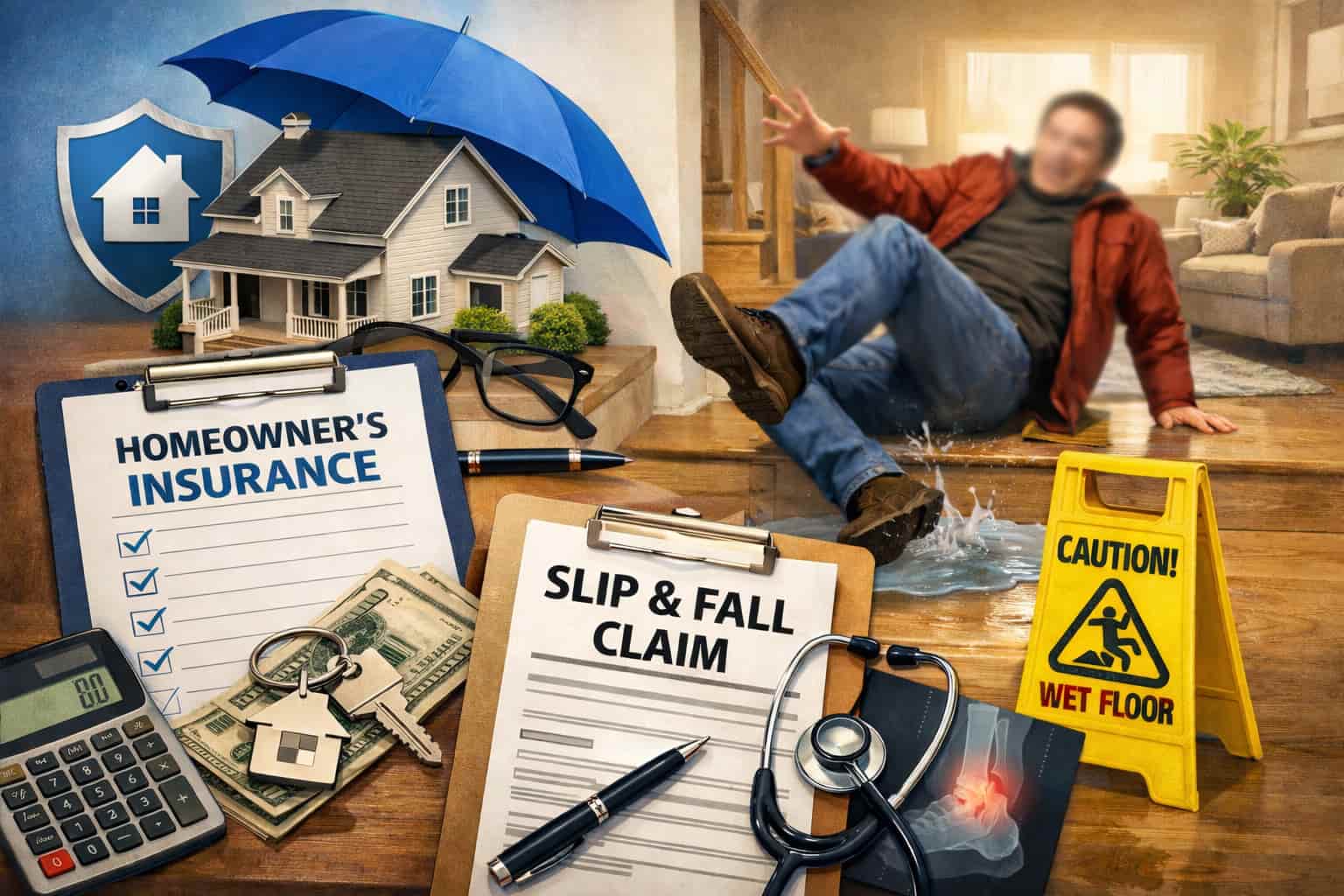
When you report a slip and fall claim, the insurance adjuster may sound sympathetic and suggest a quick resolution, but the adjuster’s role is to protect the insurance company’s financial interests, not yours. In New York, homeowner’s insurance commonly provides liability coverage for slip and fall injuries suffered by guests.
Policy limits, exclusions, and claim-handling practices can restrict what you recover. Insurers closely analyze fault, injury severity, and damages and often look for grounds to reduce or deny payment.
A slip and fall lawyer in New York familiar with homeowner’s insurance policies and New York liability law may help you avoid common mistakes, address insurer tactics, and pursue compensation supported by the facts and the law.
Contact Washor Kool Sosa Maiorana & Schwartz, LLP for a free consultation to discuss how homeowner’s insurance may affect your slip and fall claim.
Schedule a Free Case Evaluation
Key Takeaways About Slip and Fall Claims and Homeowner's Insurance
- Homeowner's insurance liability coverage typically pays for injuries guests sustain on the property, but policy limits and exclusions may restrict what you recover.
- Insurance adjusters work for the insurance company and use various tactics to minimize or deny slip and fall claims.
- New York's comparative negligence law allows you to recover compensation even if you share some fault, though your award decreases by your percentage of responsibility.
- Recorded statements and quick settlement offers from insurers often work against injured claimants who accept them without legal guidance.
- A slip and fall lawyer may negotiate with insurance companies on your behalf and pursue litigation if settlement efforts are unsuccessful.
What Does Homeowner's Insurance Cover After a Slip and Fall Accident?
Most homeowner's insurance policies include liability coverage that pays for injuries someone sustains on the insured property. When you slip on an icy walkway, trip over a broken step, or fall because of poor lighting at a private residence in New York, the homeowner's liability coverage may pay for your damages.
How Liability Coverage Works in Slip and Fall Cases
Liability coverage applies when the homeowner bears legal responsibility for your injuries. If liability is established or accepted, the policy may cover medical expenses, lost wages, pain and suffering, and other damages, subject to policy limits. Standard policies often carry liability limits between $100,000 and $300,000, though some homeowners purchase additional coverage through umbrella policies.
The insurance company generally only pays when the homeowner is legally liable for your injuries. This requires showing the homeowner knew or should have known about the dangerous condition and failed to correct it or provide adequate warning.
Medical Payments Coverage and Your Slip and Fall Claim
Many homeowner's policies also include medical payments coverage, sometimes called MedPay. This coverage may pay certain medical expenses without regard to fault, subject to the terms and limits of the policy. Limits typically range from $1,000 to $5,000.
MedPay may pay for initial medical treatment, such as emergency room or urgent care visits, without requiring proof of homeowner negligence. However, these limits rarely cover the full cost of serious injuries. A slip and fall lawyer may help you pursue the homeowner's liability coverage for expenses that exceed MedPay limits.
What Damages May Be Available in a Slip and Fall Insurance Claim

When a homeowner's insurance company accepts liability for your slip and fall accident, several categories of compensation may be available. The specific damages you recover depend on the severity of your injuries and how they affect your daily life.
Slip and fall victims in New York may pursue compensation for the following types of damages:
- Medical expenses including emergency care, surgery, physical therapy, and future treatment costs
- Lost wages from time missed at work during recovery
- Diminished earning capacity if injuries limit your ability to perform your job
- Pain and suffering for physical discomfort and emotional distress
- Loss of enjoyment of life when injuries prevent activities you previously enjoyed
Documenting each category of damages strengthens your position during settlement negotiations. Insurance adjusters often undervalue claims when victims lack records showing the full impact of their injuries.
What Tactics Do Insurance Adjusters Use Against Slip and Fall Claimants?
Insurance adjusters receive training in claim evaluation and negotiation techniques designed to protect company profits. Recognizing these tactics helps you avoid mistakes that may harm your slip and fall claim.
Why You May Want to Avoid Recorded Statements
Adjusters often ask for recorded statements early in the claims process. They frame this request as routine paperwork, but the recording may become evidence against you. Adjusters ask questions designed to elicit responses that suggest you were partially at fault or that your injuries are less serious than claimed.
You have no legal obligation to provide a recorded statement to the other party's insurance company. A slip and fall attorney may communicate with the adjuster on your behalf and protect you from questions designed to undermine your claim.
How to Recognize an Unfair Settlement Offer
A settlement offer made within days or weeks of a slip and fall is often far below the claim’s actual value. These early offers arrive before you know the full extent of your injuries or the long-term impact on your life. Once you accept a settlement, you typically sign a release that prevents you from seeking additional compensation later.
Several warning signs suggest a settlement offer undervalues your slip and fall claim:
- The offer arrives before you complete medical treatment
- The adjuster pressures you to accept quickly
- The amount barely covers your current medical bills
- The offer ignores future medical needs and lost earning capacity
- The adjuster dismisses or minimizes your pain and suffering
Insurance companies have a financial incentive to resolve claims quickly and at lower values, particularly before the full scope of damages is known.
How Insurers Dispute Injury Severity
Adjusters may argue your injuries existed before the accident, resulted from something other than the fall, or are not as serious as your medical records suggest. They may request access to years of medical history searching for prior complaints they might use to attribute your current symptoms to a pre-existing condition.
Insurance companies sometimes hire their own medical professionals to review your records or conduct independent medical examinations. These reviews are requested by the insurance company and may be used to support its position on injury severity or causation. Your slip and fall lawyer may counter these tactics by working with medical professionals who provide honest assessments of your condition.
How Adjusters Shift Blame to Slip and Fall Victims
New York follows a pure comparative negligence rule under CPLR Section 1411, which reduces your compensation by your percentage of fault. Adjusters look for any evidence suggesting you contributed to your accident.
Common arguments insurance companies raise against slip and fall claimants include:
- You wore inappropriate footwear for the conditions
- You were distracted by your phone or conversation
- You ignored warning signs or obvious hazards
- You had no legitimate reason to be in the area where you fell
- You failed to use available handrails or safety features
Even if you share some responsibility for your accident, you may still recover compensation under New York law. A slip and fall lawyer helps present evidence addressing fault allocation under New York’s comparative negligence rules.
How Do Policy Limits Affect Your Slip and Fall Recovery?
Homeowner's insurance policies contain coverage limits that cap the amount the insurer pays for any single claim or occurrence. These limits directly affect how much compensation you may recover from a slip and fall accident.
What Happens When Damages Exceed Policy Limits

Serious slip and fall injuries sometimes result in damages that exceed the homeowner's liability coverage. A traumatic brain injury, spinal cord damage, or permanent disability may generate medical bills, lost wages, and pain and suffering that far surpass a $100,000 or $300,000 policy limit.
When damages exceed coverage, you may have the option to pursue a personal judgment against the homeowner for amounts exceeding available insurance coverage, subject to legal and practical considerations.
However, collecting a judgment against an individual presents challenges, especially if they lack significant assets. Some homeowners carry umbrella policies that provide additional liability coverage beyond their standard homeowner's policy.
How Multiple Claimants Share Policy Limits
If multiple people suffer injuries in the same incident, they may all file claims against the same policy. The policy's per-occurrence limit applies to all claims combined rather than each claimant individually. Multiple claimants competing for limited coverage may each receive less than their full damages warrant.
What Evidence Strengthens a Slip and Fall Insurance Claim?
The strength of your slip and fall claim depends largely on the evidence you gather and preserve. Insurance companies look for weaknesses in documentation to justify lower settlements or claim denials.
Documenting the Dangerous Condition
Photographs and videos of the hazard that caused your fall provide powerful evidence of the homeowner's negligence. Images showing ice accumulation, broken steps, torn carpet, poor lighting, or other dangerous conditions help establish what the homeowner knew or should have known.
The following types of evidence support slip and fall claims against homeowner's insurance:
- Photos of the exact location where you fell
- Images showing the hazard from multiple angles
- Weather reports if ice or snow contributed to the accident
- Witness statements from anyone who saw the fall or the hazard
- Medical records linking your injuries to the fall
Gathering this evidence promptly matters because conditions change. Snow melts, repairs happen, and memories fade. A slip and fall lawyer may also obtain evidence through formal discovery processes once litigation begins.
How to Establish the Homeowner Had Notice
New York law requires showing the property owner had actual or constructive notice of the dangerous condition. Actual notice means the homeowner knew about the hazard. Constructive notice means the condition existed long enough that a reasonable property owner should have discovered and corrected it.
Evidence of notice may include prior complaints about the hazard, maintenance records showing the homeowner knew of the problem, or testimony establishing how long the dangerous condition existed. Under New York Real Property Law, property owners owe visitors a duty of reasonable care, which includes regularly inspecting premises for hazards.
When Does a Slip and Fall Lawsuit Become Necessary?
Many slip and fall claims resolve through negotiations with the property owner’s insurance company. If those negotiations do not result in fair compensation, filing a lawsuit may be necessary.
Understanding the Litigation Timeline for Slip and Fall Cases
In New York, most slip and fall lawsuits must be filed within three years of the date of injury. Missing this deadline usually ends the claim. Waiting too long can also limit time to investigate the accident, preserve evidence, and prepare the case. Filing a lawsuit does not automatically lead to trial. Many cases settle during litigation once evidence is exchanged and the risk of a jury verdict becomes clearer.
How Insurance Companies Respond When You File a Slip and Fall Lawsuit
After a lawsuit is filed, the homeowner’s insurance company typically takes over the defense. The insurer hires attorneys, pays litigation costs, and makes settlement decisions within policy limits. Settlement evaluations are based on trial risk, including the strength of the evidence, witness credibility, the extent of the injuries, and the county where the case would be tried, since jury verdicts vary across New York.
How a Slip and Fall Lawyer at Washor Kool Sosa Protects Your Insurance Claim

The attorneys at Washor Kool Sosa Maiorana & Schwartz, LLP bring more than 60 years of experience to slip and fall cases throughout New York City and the surrounding region. Our team has recovered over $1 billion for injury victims, including numerous settlements and verdicts involving homeowner's insurance disputes in Manhattan, Brooklyn, Queens, the Bronx, Staten Island, and Westchester County.
Exposed Insurance Company Tactics and How We Respond
Insurance companies employ teams of adjusters, investigators, and defense attorneys whose goal is protecting the company's bottom line. Our slip and fall lawyers understand these tactics because we have confronted them for decades. We handle all communication with the insurance company, gather evidence to support your claim, and build a case that reflects the true value of your injuries rather than the lowball figure an adjuster offers.
Exposed Results in New York Slip and Fall Cases
Our firm has obtained substantial results for clients injured in slip and fall accidents throughout New York. We have successfully handled a wide range of cases involving hazardous conditions, including ice-related falls and unsafe walkways. We represent clients on a contingency fee basis, which means there are no attorney fees unless we recover compensation on your behalf.
FAQs for a Slip and Fall Lawyer
Do I have to report my slip and fall to the homeowner's insurance company myself?
You have no obligation to communicate directly with the homeowner's insurance company. A slip and fall lawyer may handle all communication on your behalf, which protects you from making statements the insurer might use against you. Some claimants find that legal representation helps manage the negotiation process and address disputed issues more effectively.
How long does a slip and fall insurance claim take to resolve?
Timelines vary significantly based on the complexity of your injuries, disputes over liability, and the insurance company's cooperation. Simple claims with clear liability and minor injuries may settle within months. Cases involving serious injuries, disputed fault, or litigation may take one to three years or longer to resolve fully.
What if the homeowner claims they did not know about the hazard?
New York law recognizes constructive notice, which means liability may exist if the hazard was present long enough that a reasonable property owner should have discovered it. Evidence of how long the condition existed, such as the size of ice accumulation or the age of a structural defect, helps establish constructive notice even when the homeowner denies actual knowledge.
Does homeowner's insurance cover injuries to family members living in the home?
Most homeowner's liability policies exclude coverage for injuries to residents of the household. If you live with the homeowner and suffer a slip and fall on the property, the liability coverage typically does not apply to your claim. Different rules may apply to guests, visitors, and others who do not reside at the property.
What happens if the homeowner has no insurance or inadequate coverage?
Some homeowners lack insurance or carry minimal coverage that falls far short of your damages. In these situations, you may pursue a claim directly against the homeowner personally. Collecting a judgment from an uninsured or underinsured individual depends on their assets and income. A slip and fall lawyer may help you evaluate whether pursuing such a claim makes practical sense.
Talk to a New York Slip and Fall Lawyer About Your Insurance Claim Today

Insurance companies spend millions training their adjusters to minimize payouts on legitimate claims. They have lawyers, investigators, and corporate resources working against you from the moment you report your injury. The slip and fall lawyers at Washor Kool Sosa Maiorana & Schwartz, LLP have spent over six decades learning how insurers operate and holding them accountable when they refuse fair compensation.
We offer free consultations and handle cases on a contingency basis throughout New York City, Westchester, and the surrounding areas. Contact our firm today to discuss how homeowner's insurance affects your slip and fall claim and what options you have for pursuing the compensation your injuries warrant.