Passing a motorcycle on New York roads requires more care than many drivers realize. Motorcycles travel at highway speeds but are harder to see, causing drivers to misjudge distance, speed, and available lane space.
These errors frequently result in sideswipe collisions, sudden lane cutoffs, and riders being forced toward curbs, guardrails, or other traffic. Motorcycle accident attorneys see these crashes regularly on the FDR Drive, the Belt Parkway, and neighborhood streets throughout the city. Passing too closely, failing to check blind spots, or cutting back into a lane too soon can cause devastating motorcycle injuries.
Contact Washor Kool Sosa Maiorana & Schwartz, LLP today to speak with a motorcycle accident attorney who can review what happened, explain your options, and pursue accountability from the driver who caused the crash.
Schedule a Free Case Evaluation
Key Takeaways About Safety Rules for Passing a Motorcycle
- Give motorcycles the entire lane width when passing, never attempting to share lanes even when space appears available.
- Check blind spots twice before changing lanes since motorcycles disappear in vehicle pillars and mirrors more easily than cars.
- Maintain consistent speed while passing rather than accelerating rapidly, which startles riders and creates instability.
- Weather conditions affect motorcycle stability more than cars, requiring extra passing distance during wind, rain, or poor visibility.
- Legal liability for unsafe passing falls on overtaking drivers who must yield to vehicles already occupying lanes.
New York Traffic Laws for Passing Motorcycles Safely
New York Vehicle and Traffic Law Section 1122 requires drivers to pass on the left and return to the right lane only when safely clear of overtaken vehicles. This law applies equally to passing motorcycles, though many drivers treat bikes differently than cars. Violations create liability for resulting accidents when unsafe passing causes crashes.
Under New York law, motorcycles are entitled to the full use of a lane, and drivers may not squeeze past them within the same lane. Lane sharing by cars into motorcycle lanes violates VTL § 1252(a); motorcycles cannot operate between lanes under § 1252(c), with no general exception for stopped traffic.
Drivers who attempt to share lanes while passing motorcycles violate traffic laws and may bear responsibility for resulting collisions.
Safe Passing Distance Requirements for Motorcycles
While New York lacks specific motorcycle passing distance laws, general safe passing principles apply based on reasonable care standards. Safe distances vary with speed, weather, and road conditions to ensure clearance under VTL § 1122’s reasonable care standard, without a codified numeric minimum.
Factors determining legally adequate passing distance include:
- Vehicle speeds and speed differential
- Road width and shoulder availability
- Weather conditions affecting visibility
- Traffic density in adjacent lanes
- Motorcycle type and rider visibility
Failing to maintain safe distances creates potential negligence claims that a motorcycle accident attorney can investigate when crashes occur during passing maneuvers.
Turn Signal Requirements When Overtaking Motorcycles
Drivers must signal lane changes at least 100 feet before moving when passing motorcycles on highways and streets. Turn signals alert riders to intended movements, allowing defensive positioning. Sudden lane changes without signals may create liability for striking motorcycles already occupying target lanes.
Mirror checks alone don't satisfy duty of care when passing motorcycles that hide in blind spots. Drivers must physically turn to check blind spots where motorcycles commonly position themselves. Failure to perform adequate visual checks before passing may establish negligence if accidents occur.
Dangerous Passing Mistakes That Cause Motorcycle Accidents
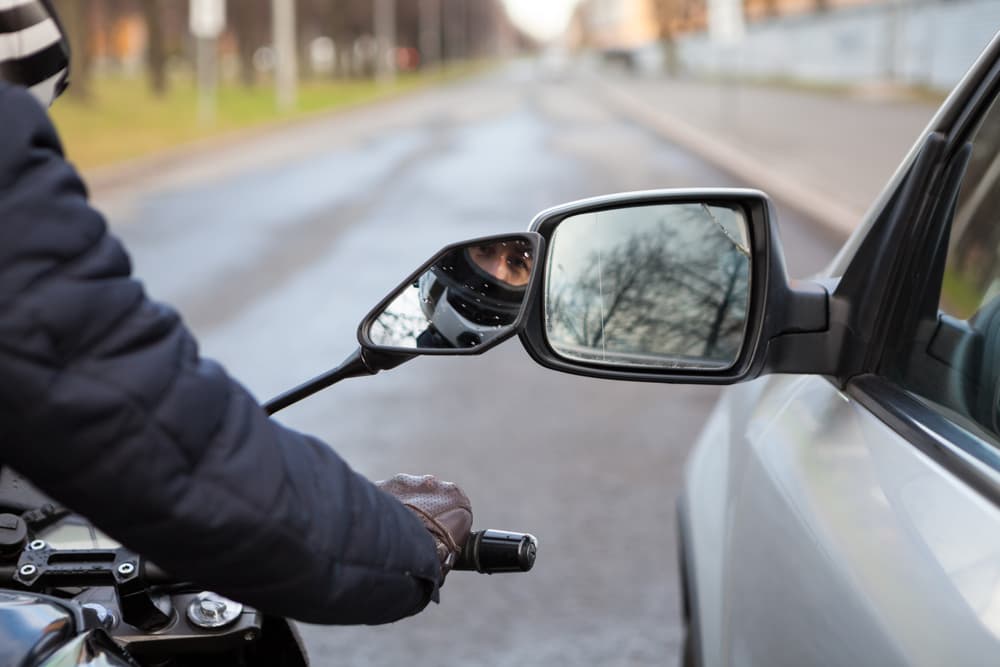
Some passing behaviors lead to accident patterns that motorcycle accident attorneys see often in New York City. These crashes usually happen because drivers are impatient, distracted, or do not understand how motorcycles move and respond.
When this behavior causes a crash, the driver may be legally responsible. Each unsafe passing action raises its own legal concerns.
Dangers of Cutting Back Too Soon After Passing a Motorcycle
Drivers often underestimate distances needed to safely clear motorcycles before returning to travel lanes. Motorcycles' smaller visual profiles create optical illusions about separation distances. Cutting back prematurely forces riders to brake suddenly or swerve, potentially causing loss of control.
The wind blast from vehicles passing closely affects motorcycle stability more than drivers realize. Large trucks and SUVs create turbulence that pushes motorcycles sideways. Returning to lanes too quickly compounds these forces, creating challenging conditions for riders to navigate.
Illegal Passing in No-Passing Zones
Illegal passing in no-passing zones causes head-on collisions when motorcycles approach from opposite directions. Drivers misjudge motorcycle approach speeds due to their smaller profiles. These crashes prove particularly severe given combined speeds and direct impact angles.
Common locations where illegal passing endangers motorcycles include:
- Blind curves on parkways and scenic routes
- Hill crests with limited forward visibility
- Construction zones with narrowed lanes
- School zones and residential areas
- Bridge approaches with restricted sight lines
These violations may create liability for resulting accidents when drivers pass illegally and cause crashes.
Weather and Road Conditions Affecting Motorcycle Passing Safety
Weather and road conditions that barely affect cars create significant hazards for motorcycles during passing maneuvers. Rain, wind, and road debris influence motorcycle stability in ways drivers don't anticipate. Safe passing requires adjusting techniques for conditions that affect two-wheeled vehicles differently than four-wheeled ones.
Wind Effects and Rain Hazards During Passing
Crosswinds push motorcycles sideways during passing, requiring riders to lean into the wind for stability. Passing vehicles create additional turbulence that combines with natural wind. Strong gusts may push motorcycles into passing vehicles or off roadways when drivers pass too closely.
Rain reduces motorcycle traction significantly, limiting riders' ability to maneuver away from unsafe passes. Wet roads increase stopping distances and reduce cornering capability. Spray from passing vehicles further reduces visibility for both drivers and riders during overtaking maneuvers.
Pavement Hazards and Night Visibility Issues for Motorcycles
Pavement conditions that cars ignore affect motorcycle stability during passing situations. Grooved pavement, steel plates, and construction zones create handling challenges when riders adjust positions for passing vehicles. Potholes and debris force motorcycles to maintain lane positions that may seem unusual to passing drivers.
Night passing presents unique challenges since single headlights make judging motorcycle distance difficult. Riders wear reflective gear and use additional lighting, but drivers still misjudge closing rates. Glare from oncoming traffic further complicates safe passing distance assessment.
Vehicle Blind Spots and Motorcycle Detection Technology
Many modern vehicles use blind spot and lane-departure systems that reliably detect cars but often fail to detect motorcycles. These systems create false confidence when passing since drivers rely on technology that doesn't consistently recognize smaller vehicles. Motorcycle accident attorneys see crashes where drivers trusted warning systems that failed to detect motorcycles.
Common Blind Spot Locations Hiding Motorcycles
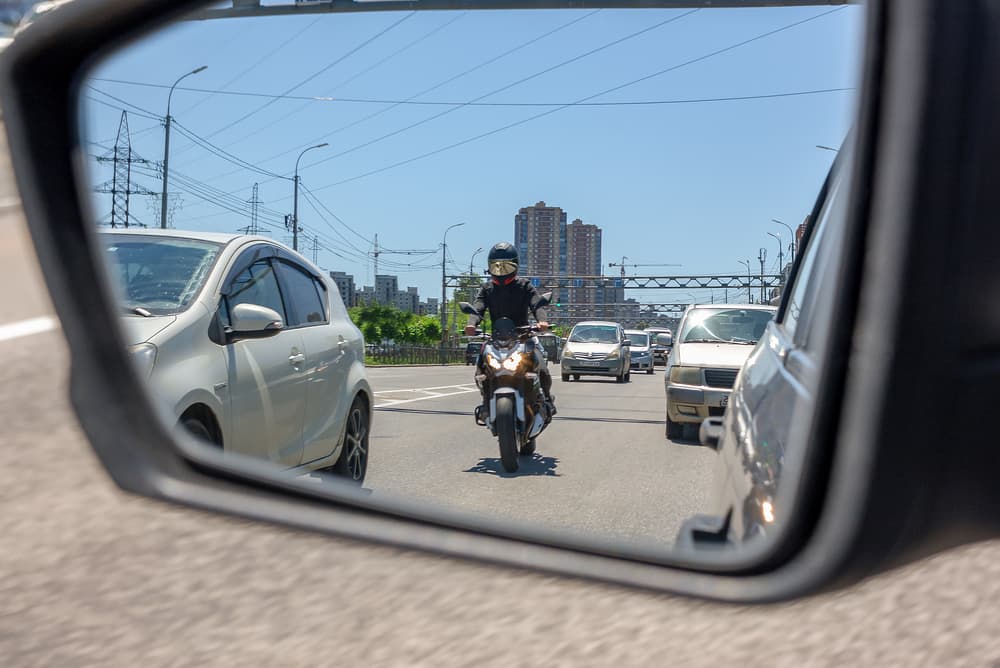
Larger vehicles create bigger blind spots where motorcycles disappear completely from driver view. SUVs and trucks have multiple blind zones that hide motorcycles during lane changes.
Vehicle blind spots that commonly conceal motorcycles during passing include:
- A-pillars that block forward diagonal views
- Side mirrors with limited field of vision
- Rear quarters where C-pillars create gaps
- High hood lines obscuring shorter vehicles
- Cargo and passengers blocking rear visibility
These design limitations require extra vigilance when passing motorcycles that may be invisible from driver seats.
Motorcycle Visibility Equipment and Safety Features
Riders use various equipment to increase visibility during passing situations, though drivers often fail to notice these safety measures. Bright colors, reflective materials, and auxiliary lighting help but don't guarantee detection. Modulating headlights and loud exhausts attempt to attract attention during vulnerable passing moments.
Helmet designs affect rider head checks during passing situations, potentially limiting peripheral vision. Full-face helmets provide protection but reduce hearing and side visibility. These equipment factors influence how quickly riders detect and respond to unsafe passing attempts.
Safe Motorcycle Passing Techniques for NYC Drivers
Safe motorcycle passing requires specific techniques that go beyond standard vehicle overtaking procedures. These practices reduce accident risks while respecting riders' road rights. Drivers who follow these guidelines demonstrate reasonable care that may help defend against negligence claims.
Professional drivers and motorcycle safety courses teach specific passing protocols that prevent accidents. These techniques account for motorcycle dynamics and rider perspectives during overtaking maneuvers.
Step-by-Step Safe Passing Procedures
Recommended safe passing practices include following methodical procedures that protect both drivers and riders:
- Signal early and check mirrors plus blind spots twice
- Move completely into passing lanes without crowding
- Maintain steady speed while alongside motorcycles
- Allow extra distance before returning to travel lanes
- Avoid passing during curves or visibility restrictions
Following these practices demonstrates reasonable care and safety awareness during passing maneuvers.
Speed Management and Lane Positioning
Maintaining consistent speed while passing prevents startling riders or creating unstable air currents. Rapid acceleration past motorcycles generates turbulence and may be interpreted as aggressive driving. Steady overtaking allows riders to maintain control and anticipate driver actions.
Complete lane changes provide maximum separation between vehicles during passing. Straddling lanes or gradual movements create uncertainty about driver intentions. Clear, decisive lane changes communicate intentions effectively to riders.
Legal Liability for Unsafe Motorcycle Passing in New York
Drivers who cause accidents through unsafe passing face civil liability and potential traffic violations. Traffic infractions for improper passing may support negligence claims in injury lawsuits. Aggressive passing might constitute reckless driving depending on specific circumstances.
Insurance companies initially defend drivers but unsafe passing violations often trigger coverage evaluations. Multiple violations during single passing maneuvers may compound liability exposure. Points accumulate on driver licenses for passing violations, potentially affecting driving privileges.
Commercial drivers face stricter consequences including potential CDL impacts for serious passing violations. Employment consequences may follow for drivers whose jobs require clean driving records. Understanding these risks encourages safer passing practices around motorcycles.
How We Handle Unsafe Motorcycle Passing Cases
At Washor Kool Sosa Maiorana & Schwartz, LLP, our motorcycle accident attorneys investigate crashes caused by drivers who fail to provide adequate space or signal their intentions when passing. We focus on identifying how improper lane changes, close passes, and premature cut-ins place riders in positions where collisions become unavoidable.
We understand how wind blast from passing vehicles affects motorcycle stability and why certain passing techniques create hazards that riders cannot correct in time. We represent motorcyclists injured during unsafe passing maneuvers throughout Manhattan, Brooklyn, Queens, the Bronx, and Staten Island.
From our Woolworth Building and Bronx offices, we gather evidence showing how drivers violated safe passing distances and failed to check blind spots before moving. We work with accident reconstruction professionals who analyze lane positioning, closing speeds, and traffic patterns to show why riders had no safe options when drivers passed improperly.
Our experience with motorcycle dynamics allows us to demonstrate that these crashes result from driver negligence rather than rider conduct.
We handle unsafe passing cases on a contingency fee basis while pursuing claims against drivers whose actions caused motorcycle accidents. We know insurers often argue that riders were in blind spots or should have avoided unsafe passes that occurred too quickly for human response.
Our record includes substantial recoveries for riders who were sideswiped, forced off the roadway, or struck when drivers moved back into lanes too soon after passing.
FAQs for Motorcycle Accident Attorneys
What if a motorcycle was speeding when I tried to pass?
Motorcycle speed doesn't eliminate driver duties to pass safely within traffic laws. Comparative negligence rules may affect liability allocation between parties. Each party's actions get evaluated for contribution to accidents.
Who has liability if a motorcycle accelerates during passing?
Drivers initiating passes must respond appropriately if conditions become unsafe, including motorcycle acceleration. Continuing unsafe passes despite changed conditions may create liability. Specific circumstances determine fault allocation.
How do lane-splitting laws affect passing liability?
New York prohibits lane splitting, making motorcycles between lanes illegal. However, drivers still must check before changing lanes. Illegal motorcycle positioning may affect but doesn't necessarily eliminate driver liability for crashes.
What if I couldn't see the motorcycle before passing?
Visibility problems don't excuse accidents from inadequate observation before passing. Drivers must have clear visibility before attempting passes. Proceeding despite limited visibility may create liability for resulting crashes.
Does motorcycle size affect passing distance requirements?
All motorcycles require full lane width regardless of size from sport bikes to cruisers. Smaller motorcycles need equal passing distance despite appearing to use less space. Size misconceptions cause many passing accidents.
Protect Your Rights After an Unsafe Passing Accident Today
Unsafe passing puts motorcyclists at serious risk. When a driver cuts too close or passes without enough room, the results can be devastating. These actions often violate traffic laws and make the driver responsible for the crash.
Insurance companies waste no time trying to shift blame onto riders, claiming they were in the wrong lane position or should have avoided the danger. Acting quickly can make a real difference in how your claim is handled.
If you were hurt in a motorcycle accident caused by unsafe passing on a New York road, contact Washor Kool Sosa Maiorana & Schwartz, LLP today. Our motorcycle accident attorneys examine passing distance, driver visibility, and traffic signal timing to build strong claims. We push back against unfair blame and fight for full compensation for your injuries and motorcycle damage.