The U.S. Bureau of Labor Statistics reports that fatal construction injuries rose to a ten-year high in a recent year, despite federal, state, and New York City efforts to improve construction site safety.
Construction work has historically been one of the most dangerous occupations in the U.S., with job site risks and hazards inherent to the nature of the occupation. But when a severe storm, heavy snow, or dangerous heat descends on a worksite, the risk of serious, life-changing injuries drastically rises.
In a dynamic and vertical city like New York, these risks mean that construction companies and job site supervisors must take every measure to prevent construction accidents, especially in poor weather. When they fail, and weather-related accidents happen, injured workers should have access to every available source of compensation.
If you were injured on the job because of a slippery or unstable surface, extreme temperatures, low visibility, an electrical storm, or something else, contact a New York City construction accident lawyer to see if you can seek compensation beyond workers' compensation benefits.
Schedule a Free Case Evaluation
Key Takeaways About Weather-Related Accidents on NYC Construction Sites
- Safety regulations require employers to prepare for and address weather-related risks, such as snow, ice, or high winds, to prevent unsafe work sites.
- Even if a weather event contributed to your injury, liability might fall on employers, contractors, or property owners who did not take reasonable steps to mitigate known hazards.
- New York laws, like the Scaffold Law (Labor Law 240), may provide legal options for workers injured in falls from heights, which become more common during slippery weather.
- Seeking legal counsel is the best way to determine which parties are responsible for your construction site injuries and pursue compensation, which may go beyond basic benefits.
Weather Conditions Make New York City Construction Accidents Far More Dangerous
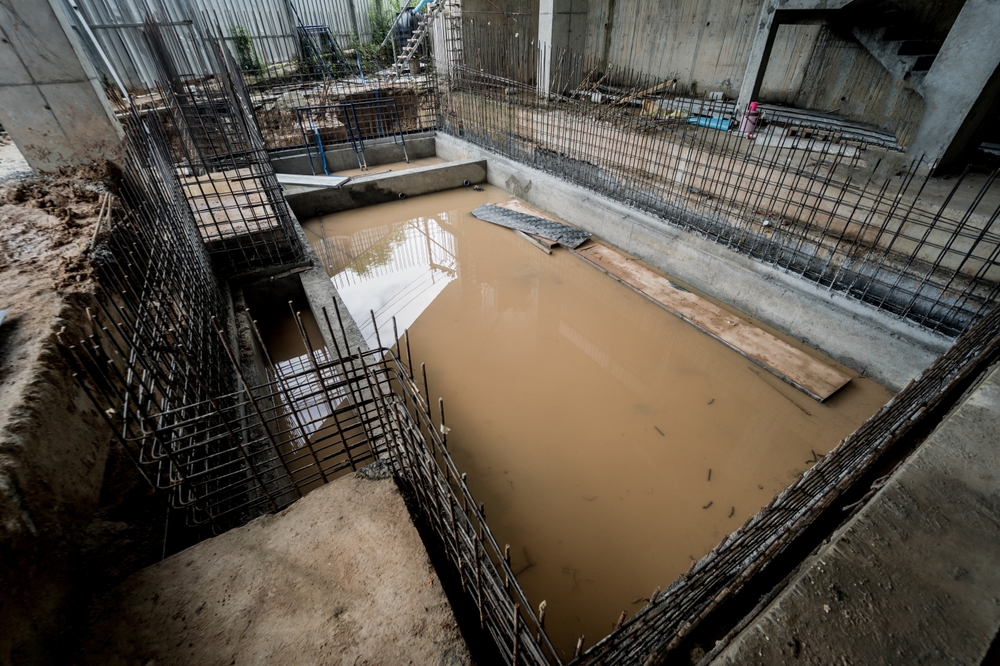
Construction work is inherently dangerous, but weather conditions often introduce unpredictable and severe hazards that management must control. These environmental factors can lead to immediate threats like falls and structural failures or long-term issues like heat-related illness. Site management has a legal duty to anticipate these conditions and implement safety protocols that protect every worker.
The Occupational Safety and Health Administration (OSHA) sets clear standards that require employers to mitigate risks from adverse weather. Failure to follow these rules, whether by ignoring a forecast or not securing a temporary structure, may lead to liability for any worker injuries that result.
The pervasive danger of rain and wet conditions on NYC construction sites
Rain is a constant threat that quickly transforms a safe site into a dangerously slick environment. The risk of an accident drastically increases, from the surfaces you walk on to the tools you handle. Proper drainage and timely cleanup are responsibilities that fall on the site supervisors and property owners.
When construction sites lack proper safety measures during or after rainfall, a variety of serious accidents may occur.
- Slippery materials and surfaces cause workers to fall from scaffolding, ladders, or roofs.
- Wet equipment, such as power tools or electrical wiring, presents serious electrocution and malfunction hazards.
- Poor site drainage may lead to unexpected pools of standing water that hide tripping hazards or create an ongoing slip risk.
- Mud can destabilize the ground beneath cranes and other heavy machinery, leading to equipment tip-overs or collapses.
After an injury in a wet environment, you may have legal options beyond a basic workers' compensation claim. The key question is whether a failure to enforce clear safety standards or an ignored hazard directly contributed to the incident.
Snow and ice elevate fall and collapse hazards
New York winters pose serious hazards, making job sites unforgiving environments that demand greater caution and preparation. Snow and ice create treacherous surfaces everywhere, and the cumulative weight can strain structures beyond their limits. When employers fail to provide necessary gear or clear instructions, they may knowingly put workers at risk.
Injuries from snow and ice often relate to failures in fall prevention or structural safety. For instance, New York City construction accidents involving ladders or scaffolds covered in ice frequently lead to serious orthopedic injuries, back and spinal cord injuries, and head trauma.
Construction firms must consistently monitor scaffolding, temporary roofs, and support structures to ensure they can handle expected snow loads. A collapse not only harms the workers on the structure but also endangers anyone below.
The risk of exposure and hypothermia
Working in sub-zero temperatures without adequate breaks or appropriate personal protective equipment (PPE) may lead to severe health issues. Site managers must provide insulated gear and enforce safe working schedules to prevent conditions like frostbite and hypothermia. These injuries often require extensive medical treatment and may result in long-term disability.
The danger of high winds and falling objects
High winds are an ever-present concern on any urban construction site, especially given the height of many buildings in New York City. Wind gusts may turn unsecured materials and tools into dangerous projectiles. Strong winds also compromise the stability of tall machinery and temporary structures.
Employers must adhere to strict guidelines concerning the safe operation of cranes and the securing of all materials when winds reach dangerous speeds. The Occupational Safety and Health Act's general duty clause requires employers to provide a workplace free from recognized hazards, which includes high wind risks.
If you suffered an injury from a falling object, the key is determining whether the object was properly secured according to site safety plans. The property owner, general contractor, or specific subcontractors may all face liability for this type of incident.
Extreme heat and sun exposure hazards
Heat-related illnesses present a more subtle but equally dangerous threat during the summer months. High temperatures may lead to conditions like heatstroke and dehydration, which often result in impaired judgment and slower reaction times. This impairment increases the chance of operational errors and serious accidents.
Additionally, long-term exposure to direct sunlight without proper protection may raise the risk of developing skin cancer. Employers have an obligation to provide shade, water, and rest breaks to mitigate these known heat hazards.
Reduced visibility from fog and low light
When fog rolls in or when work must continue in poor lighting, construction workers face an invisible risk: reduced visibility. This condition impairs the ability of workers to see hazards and for heavy machinery operators to see their colleagues. Even during daylight, heavy rain or fog can suddenly make a worksite unsafe.
Site managers have a responsibility to address low visibility by ensuring proper lighting and requiring high-visibility safety apparel (HVSA). OSHA guidelines recommend that workers wear bright, fluorescent safety garments that also have retroreflective material for low-light conditions. These garments must provide 360-degree coverage so workers are visible from every direction.
Workers are often required to wear clothing that meets specific American National Standards Institute (ANSI) classifications, such as Class 2 or 3, to ensure they remain visible to vehicle operators from long distances. When these safety measures are ignored, a momentary lack of vision may lead to a collision with heavy equipment or a fall from a height.
Who May Be Responsible for Your Weather-Related NYC Construction Injury?
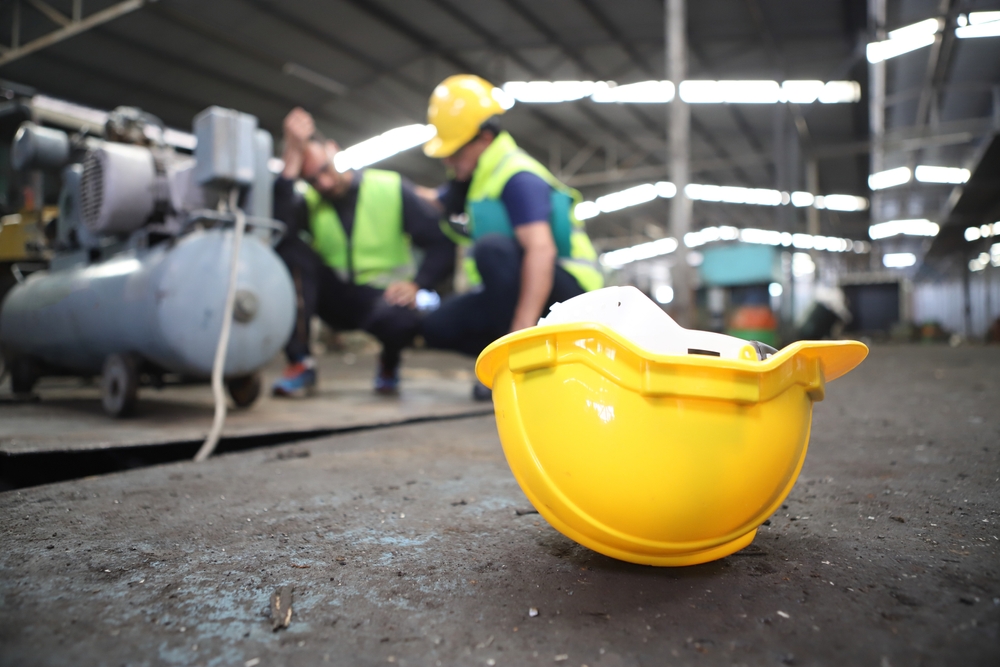
Knowing who may be held legally responsible for the construction accident may not be immediately clear. The weather event itself may be an "act of God," but the legal focus shifts to whether responsible parties failed to take reasonable and required precautions. Proving liability is often a matter of showing that negligence or a safety violation created an unsafe work site, allowing the injury to happen.
The compensation you pursue usually comes from a lawsuit, known as a third-party claim, against a party other than your direct employer. These claims allow you to seek recovery for damages like pain and suffering, which typical workers’ compensation benefits do not cover. The following parties may be held responsible in a third-party claim:
- Property Owners: They carry a non-delegable duty to maintain reasonably safe premises and ensure contractors follow safety laws.
- General Contractors: They typically hold primary control over the overall job site safety and are responsible for coordinating work and mitigating known hazards.
- Subcontractors: If a specific subcontractor’s negligence, such as failing to secure their own materials that later blew off in the wind, causes your injury, they may face liability.
- Equipment Manufacturers or Suppliers: If defective equipment, such as a faulty ladder or a crane that fails to operate in wind speeds it was rated to withstand, contributes to the accident, these parties may be liable.
Identifying these layers of responsibility requires a complete investigation into site conditions, weather records, and internal safety reports. You may have the right to pursue compensation from any of these parties whose failure to act safely contributed to your injury.
New York City Construction Accidents and the Scaffold Law
The risk of falling from an elevated height is one of the most significant dangers on a construction site, and the weather only compounds this danger. Rain, snow, and ice may make ladders and scaffolding slippery and unstable, leading to a catastrophic fall. New York State has a powerful law specifically designed to protect workers in these situations, known as the Scaffold Law.
New York Labor Law § 240(1), informally called the Scaffold Law, places absolute liability on property owners and general contractors when a worker is injured due to a gravity-related incident. This means that if an inadequate safety device, like a defective harness, unstable scaffold, or unsecured ladder, causes you to fall from a height or causes an object to fall and strike you, the responsible parties may be held liable.
Under the Scaffold Law, you do not need to prove negligence or that the responsible party was careless. You only need to show that the law was violated and that the violation contributed to your injury. This critical law gives injured construction workers a stronger path to seek compensation beyond workers’ compensation for all their damages, including long-term loss of earning capacity and pain and suffering.
Protecting Your Claim Under New York Law
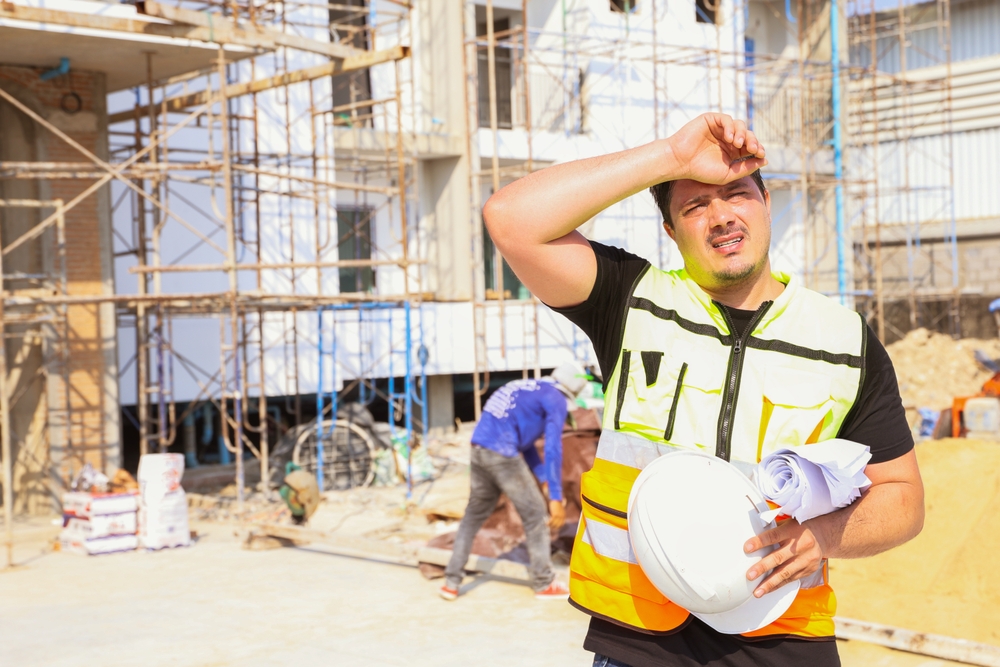
While you concentrate on your recovery, there are specific legal concepts at play in New York that may affect your ability to recover compensation. Understanding how these rules operate may help you decide on your next steps.
What to know about comparative fault in New York
Insurance companies or defendants often try to reduce the amount they pay by arguing that the injured worker was partially to blame for the accident. New York follows a rule called pure comparative negligence. This rule allows an injured person to pursue compensation even if they share some responsibility for the accident.
Here is how the pure comparative negligence rule works in New York:
- A court assigns a percentage of fault to every party, including the injured worker.
- If the court determines you were 10% responsible for the accident, your final compensation is reduced by 10%.
- You may still recover the remaining amount from the responsible parties.
- Unlike many other states, New York does not prevent you from recovering compensation even if you are found to be mostly at fault.
This means even if a defense attorney tries to place some blame on you, the law may still provide a path for financial recovery. Seeking experienced legal advice is vital because defense teams work hard to assign as much fault as possible to the injured party.
Critical deadlines you may face after a NYC Construction Accident
Every personal injury claim has a strict deadline for filing a lawsuit, known as the statute of limitations. Missing this deadline may cause you to lose your right to pursue compensation permanently. In New York, the deadline for most personal injury claims, including most construction accidents, is three years from the date of the injury.
When an accident involves a death, the statute of limitations for a wrongful death claim is typically two years from the date of the person's passing.
If your claim involves a government entity, such as a city or state agency overseeing a public project, the deadlines are much shorter, requiring a formal Notice of Claim to be filed within 90 days of the accident. These timelines vary greatly depending on the specifics of the case, and you should not wait to consult with a legal professional.
FAQs About New York City Construction Accident Claims
How much may an NYC construction accident lawyer cost?
Washor Kool Sosa Maiorana & Schwartz, LLP’s NYC construction accident lawyers work on a contingency fee basis. This arrangement means you pay no legal fees upfront. We only get paid if we successfully recover compensation for you.
What’s the difference between workers’ compensation and a third-party claim?
Workers' compensation provides benefits like medical expenses and lost wages regardless of fault, but it does not allow you to sue your direct employer. A third-party claim, which you file against an entity like a general contractor or property owner, allows you to pursue compensation for non-economic losses, such as pain and suffering, which is often much higher than workers' compensation benefits.
What evidence helps strengthen a weather-related construction accident claim?
Strong claims benefit from evidence that establishes the unsafe condition and the responsible party’s failure to act. This may include site safety records, weather reports from the day of the incident, photographs of the slippery or unsecured work area, and sworn statements from witnesses or co-workers.
Does my immigration status affect my ability to file a construction accident claim in New York?
No. Your immigration status does not affect your right to file a personal injury lawsuit or pursue compensation against a negligent party in New York. All injured workers, regardless of documentation, have the same right to pursue justice and fair compensation for their injuries.
What kind of compensation may I pursue in a third-party claim?
You may pursue recovery for all economic and non-economic damages, including medical expenses, lost wages, and loss of future earning capacity. Crucially, you may also pursue compensation for non-economic damages such as pain and suffering, which workers’ compensation does not cover.
Washor Kool Sosa Maiorana & Schwartz, LLP Fights for Your Future

An injury from a New York City construction accident may derail your life in every possible way, and workers’ compensation usually falls short in making up for everything you’ve suffered and lost.
Many construction workers injured on the job don’t know they may be eligible to seek compensation beyond what workers’ comp provides. You may be able to hold a property owner, contractor, equipment manufacturer, or other third party liable if they caused or contributed to your accident. Why settle for anything less than your full and fair compensation? Connect with a law firm that focuses on securing the maximum financial recovery possible for severe injury cases. Call Washor Kool Sosa Maiorana & Schwartz, LLP now at (212) 406-1700 for a confidential, no-obligation consultation, or contact us online to start building your case today.