Construction work is the heartbeat of a dynamic and vertical city like New York, but it remains one of the most physically demanding and dangerous occupations in the country. The amount of heavy lifting, overhead work, and repetitive motions required puts incredible strain on a worker's body.
Your shoulder is a complex joint, and when a sudden accident or years of daily wear result in a serious injury, the long-term consequences are surprisingly life-altering. You may wonder how you will pay for medical bills or provide for your family if you cannot return to the job.
A skilled NYC construction accident lawyer may be able to help you if you are suffering from a construction-related shoulder injury that is preventing you from working and providing for yourself and your family.
Schedule a Free Case Evaluation
Key Insights for Injured New York City Construction Workers
- Many shoulder injuries result from the cumulative stress of repetitive tasks, not just a single, traumatic event.
- The severity of a shoulder injury often dictates the treatment, ranging from rest and physical therapy to complex surgery.
- Focusing on an injury's long-term impact on your livelihood and future work capacity is essential for a legal claim.
- Law firms may help document your losses and advocate for fair compensation, allowing you to focus on your recovery.
Recognizing the Impact of Unsafe New York City Work Sites
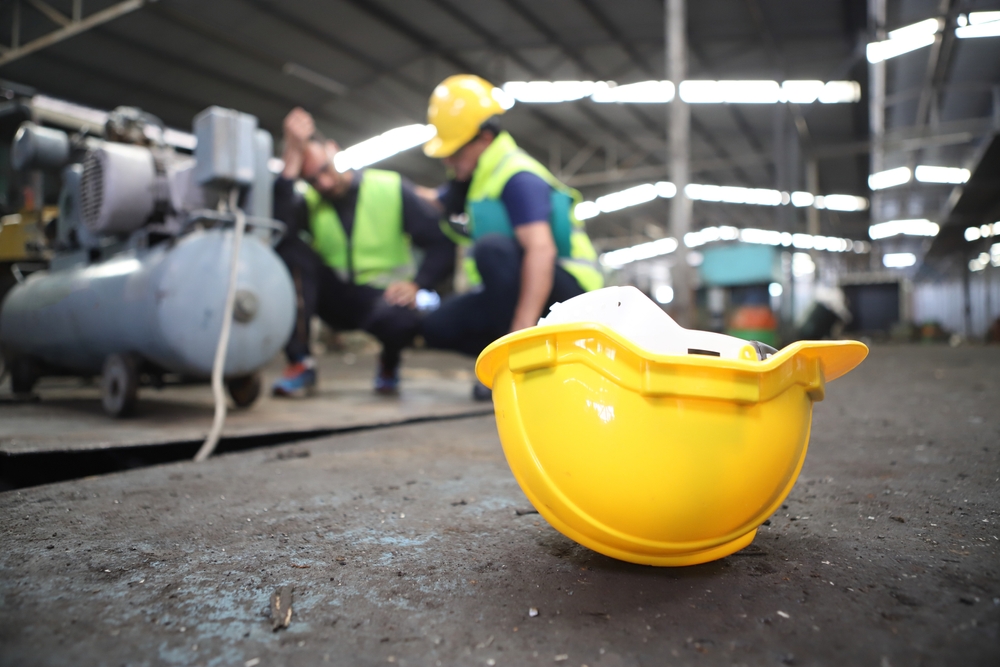
Construction work is inherently dangerous, and the physically demanding nature of construction work means that accidents happen quickly. However, many injuries are linked to unsafe work sites.
When employers or contractors fail to follow safety protocols, they place every worker at risk of serious harm. Identifying the cause of your shoulder injury, whether it was a sudden fall or poor equipment maintenance, helps determine accountability.
The shoulder's extensive range of motion makes it particularly vulnerable to trauma from falls, impacts, and overexertion. Even minor incidents can aggravate wear and tear from weeks or months of construction activity, leading to a major injury that requires extensive medical intervention. If the job site's conditions caused or contributed to your pain, your accident may shift from simple bad luck to a matter of legal accountability.
Pursuing compensation starts with identifying the exact cause and type of shoulder injury you experienced on the job site.
Rotator cuff tears
Your rotator cuff consists of four muscles and their tendons that surround and stabilize the shoulder joint. They are critical for allowing you to lift and rotate your arm. A rotator cuff tear is one of the most frequent and debilitating injuries construction workers suffer.
A tear often happens when you perform repetitive overhead motions, lift excessively heavy materials, or experience a sudden, traumatic impact. Construction tasks like hoisting beams, using power tools above your head, or swinging a heavy hammer repeatedly can strain these tendons until they tear. If you feel pain when raising your arm, weakness, or a limited range of motion, you might have a rotator cuff injury.
Shoulder dislocation and fractures
A dislocation occurs when the upper arm bone pops entirely out of the shoulder socket. This is an intensely painful injury that demands immediate medical care to reposition the joint.
A fall from a ladder or scaffolding, or being struck by a heavy object, often causes a shoulder dislocation. Workers using ladders or working at height face a higher risk of these traumatic injuries.
Shoulder fractures involve a break in one of the bones that make up the shoulder, such as the clavicle (collarbone), scapula (shoulder blade), or humerus (upper arm bone).
Being struck by equipment, falling from a height, or lifting something far too heavy can lead to these breaks. Treatment may involve simply immobilizing the arm with a sling, but displaced or severe breaks often require surgery to stabilize the bones.
Overuse and repetitive motion injuries
Not all serious shoulder injuries result from a single, dramatic accident. Many severe conditions develop over time due to the constant, heavy labor inherent in the construction field. Repeated lifting, pushing, and overhead work can cause inflammation and damage to the delicate tissues of the shoulder joint. These injuries may initially seem minor, but ignoring them often leads to chronic pain and permanent disability.
You may notice a gradual onset of stiffness and pain that worsens when you perform common work tasks. Recognizing these signs early may prevent a much more serious injury later.
When you experience these symptoms, it indicates that the repeated stress on the joint is too great, and the tissue is breaking down faster than it can repair itself.
Below are several common overuse injuries that frequently affect New York City construction workers:
- Tendonitis involves the painful inflammation of tendons, typically the rotator cuff tendons, resulting from the repeated use of the shoulder in heavy lifting or pushing materials.
- Bursitis occurs when the fluid-filled sacs that cushion the shoulder joint become irritated and inflamed due to repetitive overhead motions or working in cramped, awkward positions.
- Shoulder Impingement syndrome happens when the rotator cuff tendons are compressed as they pass through the joint, usually caused by repeatedly raising the arms above the head for tasks like drywall installation or using tools.
- AC joint injuries involve strain or trauma to the joint where the collarbone meets the shoulder blade, often from constant lifting, carrying heavy objects, or direct impacts.
Taking any pain seriously helps you document the injury correctly from the beginning. While these conditions can sometimes be treated with rest and anti-inflammatory medication, they may progress to the point where surgery is necessary to restore your full function.
How Does New York Law Protect Injured Construction Workers?
If a work-related shoulder injury keeps you from earning a living, you may need to pursue compensation to cover your losses beyond what you receive from Workers’ Compensation.
Under New York Labor Law (often called the Scaffold Law), construction workers injured on the job may hold contractors and owners liable for their injuries, even if they already receive Workers' Compensation.
Recognizing the inherent dangers of construction work, New York created specific laws to protect injured workers beyond basic Workers' Compensation. For those suffering serious injuries, the path to recovery often involves holding site owners, general contractors, and other third parties responsible for maintaining a safe environment.
The New York City Department of Buildings reported 692 injuries on city construction sites in a recent year. This shows why the protections from the state’s Labor Law are so necessary. If your shoulder injury happened because someone ignored a specific safety rule, you may have the right to file a claim beyond just Workers' Compensation.
Holding Third Parties Accountable for Unsafe NYC Construction Sites
New York Labor Law 241(6) requires all owners and contractors to ensure that areas where construction, demolition, or excavation work occurs provide "reasonable and adequate protection and safety.” This law imposes a non-delegable duty, meaning that even if the owner hires a separate safety team or subcontractor, they still maintain responsibility for any safety failures.
A claim under this section of the law must show that a violation of a specific safety regulation within the New York State Industrial Code (Rule 23) caused or contributed to your injury.
Violations often involve clear safety lapses, such as inadequate lighting, unguarded machinery, or debris-strewn floors. A successful claim under this law may allow you to pursue compensation for losses not available through Workers' Compensation, such as damages for pain and suffering, which may form a major part of your recovery.
The kinds of safety violations frequently cited by the Occupational Safety and Health Administration (OSHA) involve failures in key areas that often lead to shoulder injuries:
- Fall protection: A lack of proper guardrails, safety nets, or harnesses on elevated platforms.
- Scaffolding safety: Faulty scaffolding construction or failure to properly secure structures.
- Ladder safety: Using damaged equipment or neglecting to secure ladders against slipping.
- Training and protocols: Failing to provide adequate training or enforce established safety procedures.
Violations like these are concerning, especially since research confirms that on sites where a worker was killed, the employer was violating OSHA safety standards 96% of the time. A thorough investigation of the site's conditions and safety history may determine if Labor Law 241(6) applies to your situation.
The Long-Term Consequences of Construction Shoulder Injuries
A severe shoulder injury like a torn rotator cuff or shoulder impingement is often more than a temporary inconvenience; it may result in permanent limitations. For a NYC construction accident lawyer, documenting the long-term effects of your injury is key to pursuing fair compensation.
Impact on Your Work and Daily Life
The inability to lift, push, or reach overhead can significantly limit your ability to perform essential construction tasks. This loss of physical function has immediate financial consequences, threatening your career and ability to provide for your family. Serious shoulder injuries can lead to debilitating, chronic conditions if not properly cared for.
Ignoring a shoulder issue may allow it to worsen significantly, transforming a treatable condition into a permanent disability. Shoulder impingement syndrome, for instance, may progress into a complete rotator cuff tear if left untreated. This means a minor initial problem could eventually require complex surgery and prolonged recovery.
The long-term effects of a serious shoulder injury may include:
- Chronic Pain: Persistent discomfort that makes sleeping difficult and limits most daily activities.
- Loss of Function: Permanent weakness and reduced range of motion, making it impossible to return to heavy labor.
- Future Joint Problems: An increased risk of developing early-onset arthritis in the shoulder joint.
- Recurrent Instability: A greater likelihood of future dislocations or re-injury due to weakened ligaments or tendons.
These functional losses have substantial economic costs, often leading to increased reliance on healthcare, extended sickness absence, or even job loss.
Understanding Shared Fault in New York City Construction Injury Claims
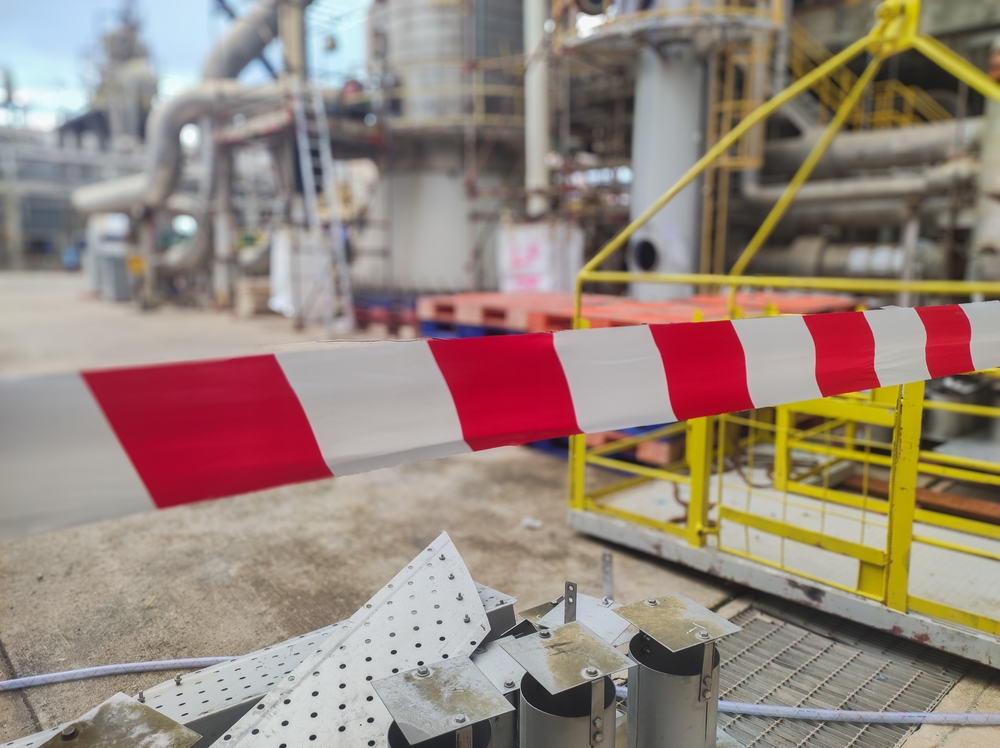
In some New York City construction worker injury cases, the opposing party may claim that your actions contributed to the accident. New York law addresses this possibility through the rule of comparative negligence.
New York's Civil Practice Law & Rules (CPLR) 1411 permits an injured party to recover damages even if they were partly at fault. The law states that your percentage of fault will not stop you from recovering, but it will reduce the final compensation award proportionally.
Here is how the comparative negligence rule may affect your case:
- Your total damages, such as medical bills and lost wages, are calculated first.
- A judge or jury determines the percentage of fault for every party involved, including you and the site owner or contractor.
- The final compensation you may receive is reduced by the percentage of fault assigned to you.
For example, if the court finds that you are 10% at fault for the accident, you may still recover 90% of the total awarded. An experienced NYC construction accident lawyer can fight to minimize any blame unfairly placed on you, preserving the value of your claim.
FAQs About Construction-Related Shoulder Injuries
What is the deadline for filing a construction accident lawsuit in New York?
Generally, the statute of limitations for most personal injury claims in New York is three years from the date of the injury. However, if your claim is against a city or government agency, you may have much less time to file a notice of claim, sometimes as little as 90 days. You should consult an attorney right away to ensure you meet all critical deadlines.
What if I was injured but the accident was not a fall or being struck by an object?
New York Labor Law covers a broad range of incidents beyond falls from heights or falling objects, including accidents caused by heavy machinery, electrical hazards, or unsafe working conditions, such as slip and trip hazards. If a specific violation of the Industrial Code (Rule 23) caused your shoulder injury, this law may apply.
How much does a NYC construction accident lawyer cost?
The best way to understand the cost is through a consultation. At Washor Kool Sosa Maiorana & Schwartz, LLP, we handle all personal injury cases on a contingency fee basis. With this approach, you don’t pay anything for our services unless we win your case. Our fee comes out of the recovery we obtain for you, never out of your pocket.
Can I sue the property owner if I am already receiving Workers' Compensation?
Yes. Workers' Compensation generally prevents you from suing your direct employer, but it does not prevent you from pursuing a claim against a negligent third party, such as the property owner, a general contractor, or a subcontractor. Claims under New York Labor Law often act as a critical supplement to Workers' Compensation benefits.
Take Control of Your Case With Washor Kool Sosa Maiorana & Schwartz, LLP
If a severe shoulder injury on a job site has suddenly put your financial and physical future in doubt, today is the day to protect your long-term health and stability. Don’t let time erode your ability to pursue the financial recovery you need.
Focus on your medical treatment and allow an experienced legal team to focus on investigating the safety failures that caused your injury. Seeking help with documenting your losses, confronting responsible parties, and fighting for fair compensation is the strongest step you can take now.
Call Washor Kool Sosa Maiorana & Schwartz, LLP today at (212) 406-1700 or contact us online for a confidential consultation about your construction accident injury.