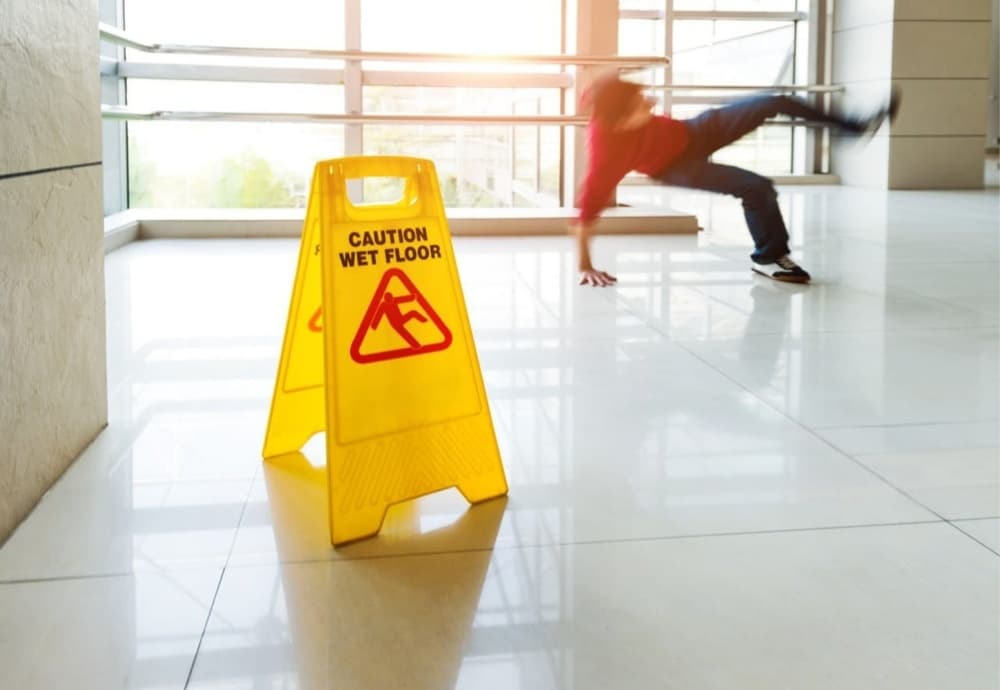
You can hold the person or corporation that owns or controls the property where you fell responsible for your injuries. Depending on where the accident occurred and who failed to address the hazard, liability may extend beyond the property owner to managers, contractors, tenants, or government entities. Sorting through these possibilities requires examining the facts of your accident and understanding how New York law assigns responsibility.
A New York slip and fall accident lawyer investigates the facts to identify potentially liable parties whose negligence may have contributed to your injuries. Contact Washor Kool Sosa Maiorana & Schwartz, LLP to discuss who may bear liability for your slip and fall accident.
Schedule a Free Case Evaluation
Key Takeaways About Slip and Fall Accident Liability
- Property owners bear primary responsibility for maintaining safe conditions, but managers, tenants, and contractors may share liability depending on their control over the premises.
- New York law requires proof that the responsible party knew or should have known about the dangerous condition before liability attaches.
- Multiple parties may share fault for a single slip and fall accident, and each may owe compensation to the injured person.
- Government entities face liability for falls on public property, but claims against them require a Notice of Claim within 90 days.
- A slip and fall accident lawyer examines the facts to identify potentially liable parties and pursue compensation permitted under New York law.
Why Choose a Slip and Fall Accident Lawyer at Washor Kool Sosa?
Washor Kool Sosa Maiorana & Schwartz, LLP has spent more than 60 years investigating slip and fall accidents throughout New York City and the surrounding region. Our attorneys analyze property records, management contracts, maintenance agreements, and witness testimony to determine who may be responsible for dangerous conditions.
Our Experience in Slip and Fall Liability Cases Across New York
Our firm has represented individuals injured in slip and fall accidents involving a wide range of dangerous property conditions, including defective sidewalks, icy surfaces, and uneven pavement. Our experience spans matters throughout the five boroughs, Long Island, and Westchester, with a focus on careful investigation of potential liability.
How We Trace Responsibility in Slip and Fall Cases
We obtain property records, lease agreements, and maintenance contracts to determine who exercised control over the area where the fall occurred. Our team interviews witnesses, reviews surveillance footage, and examines inspection logs to establish what each party knew about the hazard.
We handle all communication with insurance carriers and defense attorneys while you focus on recovering from your injuries. Our contingency fee arrangement means you owe no attorney fees unless we obtain compensation on your behalf.
When Are Property Owners Liable for Slip and Fall Accidents?
Parties that own, occupy, or control property generally owe a duty to maintain reasonably safe conditions for visitors. This obligation applies to homeowners, landlords, commercial building operators, and anyone else who owns real estate where people may enter.
What Duties Do Property Owners Owe Under New York Law?
New York law requires property owners to exercise reasonable care in maintaining their premises. This means inspecting regularly for hazards, repairing dangerous conditions promptly, and warning visitors about risks that cannot be immediately addressed.
A store owner who ignores a leaking refrigerator case for hours violates this duty. A landlord who neglects a crumbling front step similarly breaches their obligation.
The duty may extend to conditions the owner creates and, in some circumstances, to conditions caused by third parties once the owner had actual or constructive notice and a reasonable opportunity to remedy them.
Snow and ice accumulation, spills by other customers, and vandalism may result in liability if the owner had actual or constructive notice of the condition and failed to address it within a reasonable time.
How Do You Prove a Property Owner Had Notice of the Hazard?
In most New York slip and fall cases, an injured person must show that the defendant either created the hazard or had actual or constructive notice of it through reasonable inspection. Evidence that establishes property owner notice in slip and fall accident cases includes:
- Written complaints from tenants, customers, or employees documenting the hazard
- Incident reports from prior accidents at the same location
- Maintenance records showing the owner knew repairs were needed
- Testimony from witnesses who observed the condition before your fall
- Visible deterioration or aging suggesting the hazard existed for an extended period
The notice requirement protects property owners from liability for hazards they had no reasonable opportunity to address. A slip and fall accident lawyer gathers evidence to prove the owner had adequate time and information to prevent your injury.
What Other Parties May a Slip and Fall Accident Lawyer Pursue?
Property owners frequently delegate maintenance responsibilities to other parties. These arrangements may shift or share liability depending on the contractual terms and each party's actual conduct.
Property Management Companies and Slip and Fall Liability
Management companies that oversee day-to-day operations often assume responsibility for inspections, repairs, and hazard correction. When a management company fails to perform these duties adequately, injured visitors may have claims against both the owner and the manager.
The management agreement typically defines each party's obligations. Some contracts make the manager solely responsible for maintenance, while others require the owner's approval before repairs. A slip and fall accident attorney reviews these documents to determine how liability flows between the parties.
Maintenance Contractors and Cleaning Services
Building owners frequently hire outside companies to handle snow removal, floor cleaning, landscaping, and general maintenance. These contractors may bear direct liability when their negligence creates or fails to address dangerous conditions.
Contractors who create hazards through their work face liability to injured visitors. A cleaning company that leaves floors wet without warning signs may bear responsibility for resulting falls. A snow removal service that creates ice dams through improper clearing techniques similarly faces potential liability.
How Does Liability Split Between Landlords and Tenants?
In multi-tenant properties, responsibility often divides between landlords and individual tenants. Lease agreements typically assign maintenance duties for different areas of the building.
Common liability divisions between landlords and commercial tenants include:
- Landlords typically maintain common areas including lobbies, hallways, stairwells, and parking facilities
- Tenants typically maintain the interior of their leased space and areas under their exclusive control
- Shared responsibility often applies to building systems serving multiple tenants
- Special lease provisions may assign snow removal, exterior lighting, or security duties to either party
Injured visitors may hold both landlord and tenant liable depending on where the accident occurred and what the lease requires. Parsing these arrangements demands careful review of property documents and the specific facts of each fall.
How Does Government Liability Differ in Slip and Fall Accident Claims?
Falls occurring on public property create potential claims against government entities. New York State, New York City, the MTA, public schools, and other municipal agencies may face liability for dangerous conditions on property they own or control, subject to statutory notice requirements, immunity defenses, and other legal limitations.
What Special Rules Apply to Government Slip and Fall Claims?
Claims against government bodies follow procedures distinct from private property cases. In most cases, General Municipal Law § 50-e requires injured parties to file a Notice of Claim within 90 days of the accident, though certain public entities may impose additional or different requirements.
Missing the 90-day deadline typically bars your claim entirely, though courts occasionally permit late filing under narrow circumstances. The lawsuit itself must commence within one year and 90 days. These compressed timelines make prompt consultation with a slip and fall accident lawyer advisable for any injury on public property.
Who Bears Liability for NYC Sidewalk Slip and Fall Accidents?
New York City shifted most sidewalk maintenance responsibility from the city to adjacent property owners through Administrative Code Section 7-210. Building owners now bear liability for cracks, uneven surfaces, snow and ice, and other sidewalk hazards in front of their properties.
This rule changes who you sue after a sidewalk fall in the five boroughs. Rather than filing claims against New York City, injured pedestrians typically pursue adjacent property owners. Exceptions apply to certain residential properties and sidewalk defects caused by city infrastructure like tree roots or utility access points.
How Does Shared Fault Affect Slip and Fall Accident Liability in New York?
New York follows pure comparative negligence under CPLR Section 1411, which affects how courts allocate responsibility when multiple parties, including the injured person, share fault.
When Multiple Defendants Share Slip and Fall Liability
When more than one party bears responsibility for a slip and fall accident, New York law allows injured visitors to recover from each defendant based on their share of fault. A landlord and management company might both face liability, with each paying a portion of damages reflecting their respective negligence.
Joint and several liability principles may permit full recovery of economic damages from a defendant found liable, while recovery of non-economic damages may depend on each party’s percentage of fault under CPLR Article 16. This protection helps injured visitors avoid losing compensation when one responsible party lacks insurance or assets.
What Happens When the Injured Person Shares Fault?
Defense attorneys routinely argue that injured visitors contributed to their own accidents. Allegations of distraction, inappropriate footwear, or ignoring warnings aim to reduce the defendant's financial responsibility.
Property owners and their insurers commonly raise these defenses in slip and fall accident cases:
- Walking while texting, scrolling social media, or engaged in phone conversation
- Wearing shoes unsuitable for conditions, such as sandals on wet tile
- Disregarding posted warnings or stepping past "Wet Floor" signs
- Entering areas marked as restricted, closed, or employee-only
- Moving too quickly rather than walking at a careful pace
New York's pure comparative negligence system reduces your recovery by your fault percentage but never eliminates it entirely. Even substantial shared responsibility permits partial compensation under New York law.
What Evidence Supports Liability in Slip and Fall Accident Cases?
Building a strong liability case requires documentation that connects the responsible party to the dangerous condition and proves they had opportunity to address it.
Physical Evidence and Records That Establish Slip and Fall Liability
Photographs and videos of the hazard provide powerful proof of the condition that caused your fall. Images showing the size of a puddle, the depth of a crack, or the extent of ice accumulation help establish both the danger and how long it likely existed.
Additional documentation strengthens slip and fall accident liability claims:
- Incident reports filed with the property owner or manager after the accident
- Maintenance logs showing inspection schedules and repair histories
- Weather data establishing when precipitation created icy conditions
- Building code violation records from city or state inspectors
- Prior complaints about the same or similar hazards at the location
Gathering this evidence promptly matters because conditions change, records get discarded, and surveillance system overwrites video footage. A slip and fall accident lawyer knows what documentation to seek and how to preserve it before it disappears.
Why Witness Testimony Matters in Slip and Fall Liability Cases
People who observed the hazard before your fall or witnessed the accident itself provide valuable testimony. Fellow customers, employees, delivery workers, and passersby may have noticed the dangerous condition and speak to how long it existed.
Witness accounts also counter defense arguments about your own conduct. Someone who saw you walking carefully and attentively undermines claims that distraction caused your fall.
FAQ for Slip and Fall Accident Lawyer
Who bears primary responsibility for a slip and fall accident?
The party who owns or controls the property where you fell typically bears primary responsibility. However, liability may extend to property managers, maintenance contractors, tenants, and government agencies depending on who failed to address the hazard. Multiple parties often share responsibility for a single accident, and a slip and fall accident lawyer identifies all potential defendants.
How do I prove the property owner had notice of the dangerous condition?
Evidence of notice includes prior complaints, incident reports, maintenance records, witness testimony, and the hazard's visible condition. A deteriorated or dirty appearance suggests the condition existed long enough for discovery. Your attorney investigates these factors to establish what the owner knew and when they learned it.
What if I share some fault for my slip and fall accident?
New York's pure comparative negligence rule reduces your compensation by your percentage of fault but does not eliminate your claim. Property owners frequently argue that visitors contributed to their accidents through distraction or carelessness. Even with shared responsibility, you may still recover partial compensation under New York law.
How long do I have to file a slip and fall accident lawsuit in New York?
Claims against private property owners allow three years from the accident date to file suit. Government property claims require a Notice of Claim within 90 days and a lawsuit within one year and 90 days. Missing these deadlines typically bars your claim regardless of the strength of your evidence.
Do I need a slip and fall accident lawyer to pursue my claim?
While no law requires attorney representation, slip and fall cases involve complex liability questions, notice requirements, and insurance company tactics designed to minimize payouts. An attorney investigates all potentially liable parties, gathers evidence proving their negligence, and handles negotiations while you focus on recovery.
What types of compensation can I recover in a New York slip and fall claim?
You may recover both economic and non-economic damages.
- Economic damages cover financial losses, including medical bills, lost wages, and future loss of earning capacity.
- Non-economic damages compensate for non-monetary losses such as pain and suffering, loss of enjoyment of life, and emotional distress.
New York's comparative negligence rule reduces these damages only by your percentage of fault.
Talk to a Slip and Fall Accident Lawyer About Your Liability Options Today

Identifying the right defendant often determines whether a slip and fall claim succeeds. Property owners, managers, contractors, tenants, and government agencies may all bear responsibility depending on the circumstances of your accident.
The slip and fall accident lawyers at Washor Kool Sosa Maiorana & Schwartz, LLP have spent six decades tracing liability in complex property injury cases throughout Manhattan, Brooklyn, Queens, the Bronx, Staten Island, Long Island, and Westchester.
We offer free consultations and handle cases on contingency, meaning you pay no attorney fees unless we recover compensation for you. Reach out to our team today to discuss who may bear liability for your injuries and what legal options you may have.