After an accident, your focus is on healing. But as you return home from the doctor and the medical bills start arriving, the pressure to take action grows.
The decision to contact a lawyer is a major step toward protecting your future, and the first meeting is your opportunity to interview a potential advocate and find the right fit for you and your family.
Going into this meeting prepared with the right questions helps you take control of the process. Finding the right New York personal injury attorney is one of the most significant choices you will make on your road to recovery.
Schedule a Free Case Evaluation
Foundational Questions for Any Personal Injury Lawyer
Your first conversation is about more than just the facts of your accident. It is about building a relationship and gauging the person's capabilities and the firm that may represent you.
These initial questions help you determine if a lawyer has the background, resources, and practice structure to handle your case effectively from start to finish.
Experience and focus
Not all lawyers have the same background. You need someone who lives and breathes injury law, not someone who only handles these cases occasionally. A dedicated focus often translates into a deeper familiarity with the process.

- How much of your law practice is dedicated to personal injury cases?
An attorney who dedicates their entire practice to representing injured people will have a profound familiarity with the tactics used by insurance companies and defense lawyers. They will also be up-to-date on the specific New York laws that affect your situation.
- Have you handled cases similar to mine before?
A lawyer who has successfully resolved cases involving a ladder fall on a Bronx construction site or a T-bone car crash in Suffolk County will have a different level of insight than one who has not. Ask for general, non-confidential examples of similar cases they have managed and the results they achieved.
- Who will be the primary person handling my case?
In many law firms, you might meet with a senior partner, but a different associate attorney or paralegal may handle the day-to-day work. It is perfectly fine to ask who your main point of contact will be.- Will I be working directly with you or with another lawyer in the firm?
- Who will I speak with when I call for an update on my claim?
- How does the legal team work together on a case like mine?
Resources and reputation
A single lawyer is only part of the equation. The law firm behind them provides the financial strength and support staff needed to challenge large insurance companies.
- Does your firm have the financial resources to take my case to trial?
Litigation is expensive. Pursuing a case correctly involves costs for investigators, court reporters, and subject-matter professionals.
A well-funded firm can cover these upfront costs without cutting corners, ensuring your case is presented in the strongest way possible.
- What is your reputation in the legal community?
Attorneys who are respected by their peers and opponents alike achieve better client results. Ask about their professional recognition or leadership roles in legal organizations.
A strong reputation can signal to an insurance company that they are facing a serious and capable opponent.
- Do you have a track record of taking cases to trial if a fair offer is not made?
Insurance companies track which law firms settle every case for a low amount and which are willing to go to court. A lawyer’s willingness to see a case through to a verdict is a powerful negotiating tool that can lead to better settlement offers.
Your injury claim
Once you feel comfortable with the lawyer’s background, the conversation can shift to the specifics of your accident. A straightforward attorney should be able to give you an honest, preliminary assessment of your situation based on the information you provide, without making unrealistic promises.
This is your chance to get a glimpse into the lawyer’s thought process and strategic approach. Their answers will reveal how they view your case, the challenges ahead, and the path toward obtaining compensation.
Based on what I have told you, what are the initial strengths and weaknesses of my case?
An open and honest lawyer will not guarantee a win. Instead, they will give you a balanced view. A good answer may involve a discussion of New York’s negligence laws, the evidence you already have, and what additional proof needs to be gathered.
What types of compensation, or damages, might be available?
The goal of a personal injury claim is to make you whole again from a financial standpoint. Your attorney should be able to outline the different categories of damages you may be able to pursue.
- Current and future medical expenses
- Lost income, wages, and benefits
- Loss of future earning ability if you cannot return to your job
- Physical pain and emotional suffering
- Loss of enjoyment of life
- Property damage, such as the repair or replacement of your vehicle
What is the biggest challenge you foresee in my case?
This question tests the attorney’s honesty and experience. Every case has hurdles, whether it is a dispute over who was at fault, a skeptical insurance adjuster, or a debate over the severity of your injuries. An attorney who can identify potential issues upfront is better prepared to address them.
Approach to Evidence and Investigation
The success of your claim will depend on the quality of the evidence. A proactive lawyer will have a clear plan for gathering and preserving all the proof needed to build your case.
The strategy for building your claim
Ask about the immediate steps the firm will take to protect your rights and start the investigative process.
- What is your process for investigating an accident?
A detailed answer should include actions like visiting the accident scene, taking photographs, and securing physical evidence before it disappears. - Will you hire an investigator or other professionals for my case?
For some claims, like those involving unsafe work sites or truck accidents, it is necessary to bring in accident reconstructionists or engineering professionals. You should know if the firm has a network of qualified people to call upon. - How do you plan to get witness statements?
Memories fade over time. A good attorney will have a plan to contact and interview any witnesses as soon as possible to get their account of what happened while it is still fresh in their minds.
The Financial Side of Hiring a Personal Injury Attorney
For many people recovering from an injury, the thought of paying a lawyer is a major worry. Reputable personal injury law firms work on a contingency fee basis, which is designed to remove this financial barrier.
Be sure to ask direct questions about money so there are no surprises later.

- How do you get paid?
The answer should be "on a contingency fee basis." This means the law firm only earns a fee if they win your case and recover money for you. If there is no recovery, you owe the firm no attorney fees. - What percentage do you charge, and does that percentage ever change?
The contingency fee is a percentage of the final settlement or verdict. This percentage is standard across the industry, but you should ask if it changes based on when the case is resolved. For example, some firms may charge a higher percentage if the case goes through a full trial versus settling beforehand. - Will I receive a written fee agreement?
A professional law firm will always provide you with a detailed, written agreement. This document should clearly outline the contingency fee percentage, how case expenses are handled, and all other financial terms. You should not sign anything you do not fully grasp.
How Your Attorney-Client Relationship Will Work
A successful legal case is a partnership between you and your legal team. Clear and consistent communication is the foundation of this partnership. Use your initial meeting to set expectations for how you will work together throughout the process.
A good lawyer or their team will provide you with regular updates without you having to constantly ask for them.
- How often will I receive updates about my case? There is no single right answer, as case activity comes in waves. However, the firm should have a clear policy. Some firms schedule monthly check-in calls, while others provide updates as each major milestone is reached. The key is that they have a system in place.
- What is the best way to get in touch if I have a question? Ask whether they prefer phone calls or emails. Inquire if there is a specific person on staff, like a dedicated paralegal, assigned to your case to handle client inquiries. This clarifies the best channel for you to use when a question arises.
- Will you consult with me before making key decisions? You are the ultimate decision-maker in your case. Your lawyer should confirm that they will not accept any settlement offer without your express permission and will consult you on all major strategic choices.
- What will my role be in my own case? You are the most valuable member of the team. Your lawyer should be able to tell you what they will need from you to build the strongest case possible.
- Being completely honest about the accident, your prior medical history, and your injuries.
- Keeping the law firm updated on your medical treatment and any changes in your condition.
- Sending your lawyer any documents you receive from insurance companies or medical providers.
- Following your doctor's treatment plan.
- Letting your lawyer do all the talking with the insurance companies.
Frequently Asked Questions About Personal Injury Cases
What should I bring to my first meeting with a personal injury attorney?
To make your first meeting as productive as possible, gather any documents you have related to your accident and injuries.
- A copy of the police, accident, or incident report
- Photographs or videos of the accident scene, property damage, and your injuries
- The names and contact information for any witnesses
- All medical records, bills, and discharge papers you have received
- Information for your own insurance company and the other party's insurance
- Pay stubs or other documents showing your income and any time missed from work
Do I have to pay my medical bills while the case is ongoing?
This is a major source of stress. In New York, for car accidents, your own No-Fault insurance policy is the primary source of payment for medical bills, regardless of fault. For other types of accidents, your health insurance would be used. An attorney can help coordinate these benefits and, in some situations, arrange for medical providers to wait for payment until your case is resolved via a "lien."
Will my personal injury case have to go to court?
The great majority of personal injury cases are resolved through a settlement agreement and never reach a courtroom. However, the attorneys who secure the best settlements for their clients are the ones who prepare every single case as if it will go to trial. This thorough preparation and readiness to fight in court shows the insurance company that they are serious, which often motivates a fair settlement offer.
Take the First Step: Arm Yourself with Answers
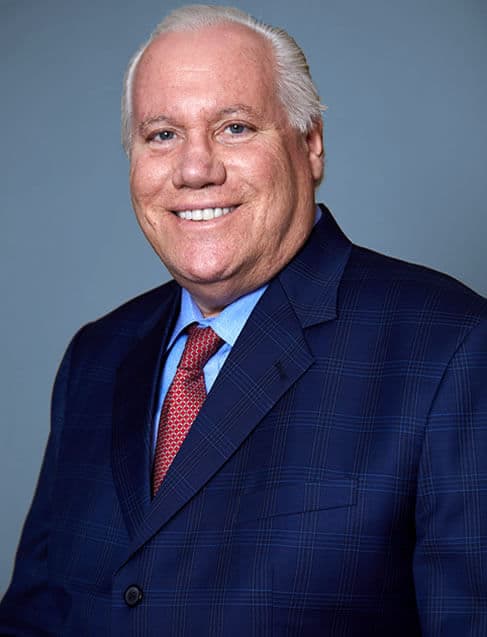
Hiring a personal injury lawyer after a serious injury is a decision that will shape your recovery and your financial stability. Walking into your first consultation prepared with these questions gives you the clarity to select an advocate who is capable and a good fit for you.
From our office in Manhattan, we represent clients throughout New York City, including Brooklyn and Queens, as well as in Westchester, Nassau, and Suffolk counties.
If you have been injured, we invite you to ask us these questions and more. Call Washor Kool Sosa Maiorana & Schwartz, LLP at 212-406-1700 to schedule your free, no-obligation consultation today.