Under New York law, motorcycles have the same right of way protections as cars and trucks. Yet in practice, motorcycles are often overlooked, cut off, or crowded out of their lanes. That gap between the law and real-world driving puts riders at risk every day on New York City streets—from Midtown intersections to busy Brooklyn avenues.
If another driver violated your right of way and caused a crash, a motorcycle accident lawyer may help you pursue compensation for your injuries. Contact Washor Kool Sosa Maiorana & Schwartz, LLP today for a free consultation to discuss your case.
Schedule a Free Case Evaluation
Key Takeaways About Right of Way in Motorcycle Accident Cases
- New York law grants motorcyclists identical rights and duties as drivers of cars and trucks under Vehicle and Traffic Law Section 1250.
- Other drivers must yield to motorcycles in the same situations where they must yield to any other vehicle at intersections, when turning left, and when merging.
- Motorcycles hold the legal right to full use of a traffic lane, and no vehicle may drive in a manner that deprives a motorcycle of that lane.
- When another driver fails to yield the right of way and causes a crash, the injured motorcyclist may pursue a legal claim against the at-fault party.
New York Law Gives Motorcycles Equal Right of Way
Under New York law, motorcyclists are subject to the same rights and duties as other motorists, including equal treatment under right of way laws. Accordingly, the statutory right of way rules that govern motor vehicles apply equally to motorcycles.
What Section 1250 Means for Riders and Drivers
When a motorcyclist approaches an intersection, enters a traffic circle, or travels straight through a green light, other drivers must treat that motorcycle exactly as they treat any car. The law does not create a hierarchy that places motorcycles below other vehicles. A driver making a left turn must yield to an oncoming motorcycle just as they must yield to an oncoming sedan.
The New York DMV Driver's Manual reinforces this principle, stating that motorcyclists have the same rights and responsibilities as drivers of other vehicles. The manual specifically warns drivers to take special caution checking for motorcycles before making turns or changing lanes.
Full Lane Use Protection Under Section 1252
Beyond general right of way protections, Vehicle and Traffic Law Section 1252 provides motorcyclists with explicit lane protections. The law states that all motorcycles hold the right to full use of a lane, and no motor vehicle may drive in a manner that deprives any motorcycle of that full lane use.
This means a car cannot legally squeeze past a motorcycle within the same lane or crowd a rider toward the shoulder. When a driver violates this provision, that violation may serve as evidence of negligence if it contributed to a crash.
Common Right of Way Violations That Cause Motorcycle Crashes
Certain traffic scenarios create heightened danger for motorcyclists when other drivers fail to follow right of way laws. These patterns explain why many motorcycle crashes result from driver negligence, not rider error.
Left Turn Accidents at Intersections
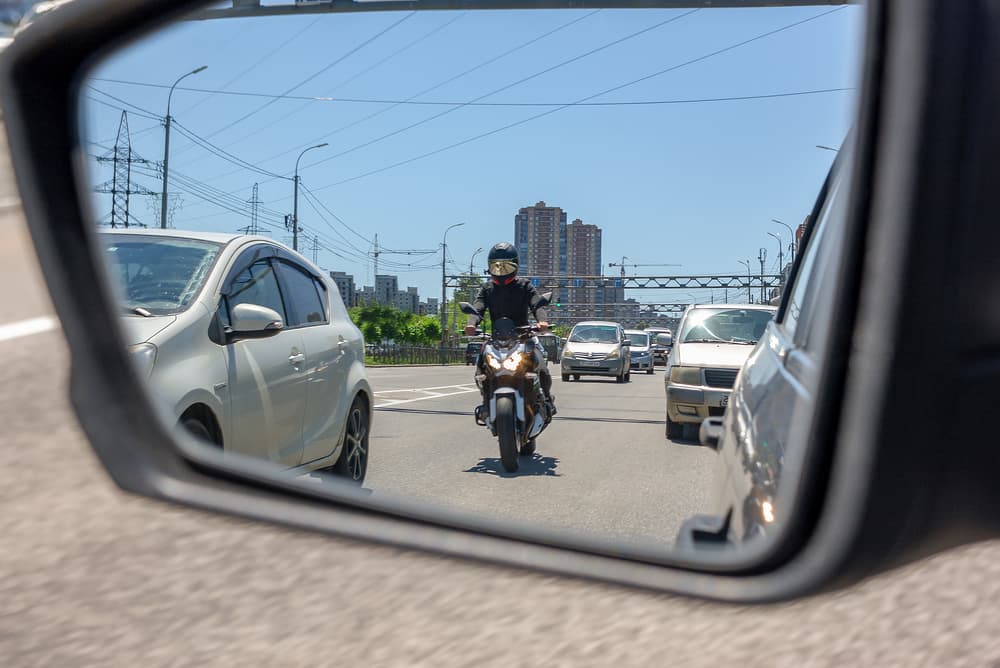
Vehicle and Traffic Law Section 1141 requires any driver turning left to yield the right of way to vehicles approaching from the opposite direction. This rule applies whether the turn occurs at an intersection, into an alley, or onto a private driveway. When a driver turns left into the path of an oncoming motorcycle, that driver has violated the law.
Left turn collisions rank among the most dangerous crash types for motorcyclists. The driver waiting to turn may misjudge the motorcycle's speed, fail to see the motorcycle entirely, or simply proceed without checking carefully. The motorcyclist traveling straight with the right of way has little time to react when a vehicle suddenly crosses their path.
Failure to Yield When Entering Roadways or Intersections
New York right of way laws establish clear rules for various intersection scenarios:
- A driver approaching an intersection must yield to any vehicle that has already entered from a different highway under VTL Section 1140.
- When two vehicles enter an intersection simultaneously from different directions, the driver on the left must yield to the vehicle on the right.
- A driver entering a roadway from a driveway, parking lot, or alley must yield to all approaching traffic under VTL Section 1143.
- A driver approaching a stop sign must stop completely and yield to any vehicle already in or approaching the intersection.
These rules apply equally to all motor vehicles, including motorcycles. When a driver fails to yield and causes a collision with a motorcycle, the violation may constitute evidence of negligence. A motorcycle accident lawyer may rely on these statutory right of way duties to help establish liability and pursue compensation for an injured rider.
Why Drivers Fail to See Motorcycles on New York Roads
The size difference between motorcycles and other vehicles creates a visibility challenge that drivers must actively work to overcome. A motorcycle presents a much narrower profile than a car, making it easier to miss during a quick glance at an intersection or mirror check before a lane change.
The Perception Problem at Busy Intersections
Drivers scanning for traffic often look specifically for cars and trucks. This mental shortcut means motorcycles sometimes fail to register even when they sit directly in a driver's line of sight. Congested areas like Midtown Manhattan, the Cross Bronx Expressway, and busy commercial corridors in Brooklyn and Queens compound this problem by adding visual clutter that makes motorcycles harder to spot.
The DMV Driver's Manual acknowledges this issue, noting that drivers may not see motorcycles simply because they do not look for them. New drivers often receive instruction to watch for cars and trucks at intersections, and that becomes the default mental pattern.
Distraction and Inattention Behind the Wheel
Modern drivers face constant distractions that pull their attention away from the road. Phone use, navigation systems, passengers, and in-vehicle entertainment all compete for a driver's focus. When attention wanders, motorcycles become even easier to overlook.
A distracted driver who fails to yield the right of way to a motorcycle has still violated the law, regardless of whether the failure stemmed from intentional disregard or simple inattention. In these cases, a motorcycle accident lawyer may rely on evidence of distraction and statutory right of way violations to establish liability and pursue compensation for an injured rider.
Proving Fault When Another Driver Violates Your Right of Way
Establishing liability after a motorcycle accident often depends on demonstrating that the other driver violated a specific traffic law or failed to exercise reasonable care. Right of way violations provide strong evidence of negligence.
Evidence That Supports Motorcycle Accident Claims
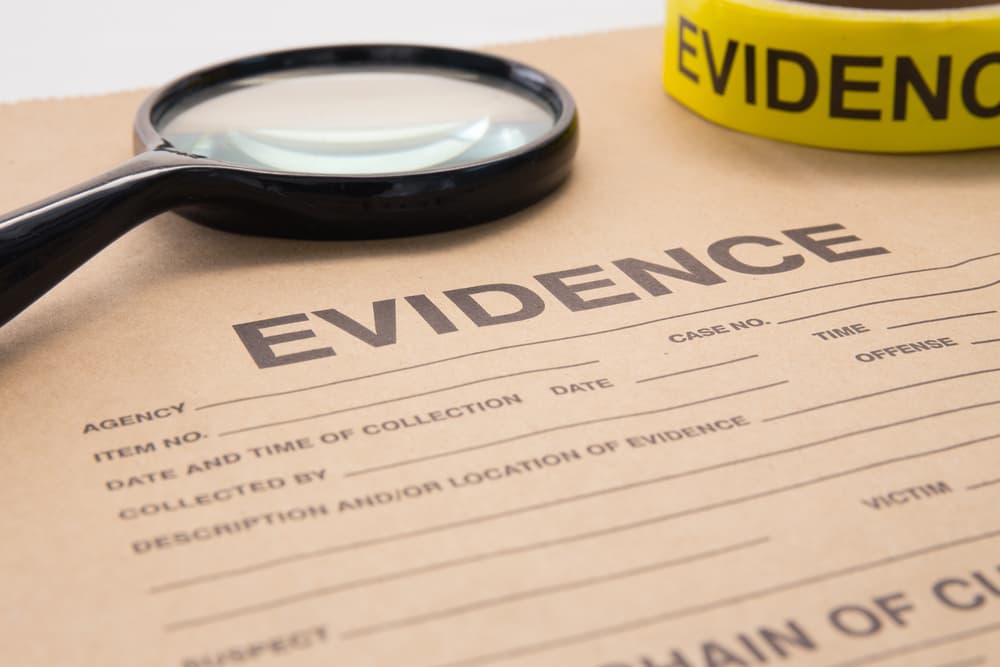
Building a successful case requires documentation that connects the other driver's conduct to the crash. Valuable evidence may include:
- Police accident reports that note traffic violations or cite the other driver
- Witness statements from people who observed the collision
- Photographs of the accident scene, vehicle damage, and road conditions
- Traffic camera or surveillance footage from nearby businesses
- Physical evidence such as skid marks that indicate vehicle positions and movements
Preserving this evidence quickly after an accident strengthens your position if you later pursue a legal claim. The facts documented in the immediate period following a crash often prove more reliable than later recollections.
How Comparative Negligence Affects Recovery
New York follows a pure comparative negligence rule under CPLR Section 1411. This means an injured motorcyclist may still recover damages even if they share some percentage of fault for the accident. However, recovery decreases in proportion to the rider's assigned fault percentage.
Insurance companies frequently attempt to shift blame onto motorcyclists to reduce the amount they must pay. An experienced motorcycle accident lawyer in NYC understands how to counter these tactics and present evidence that accurately reflects what occurred.
How Washor Kool Sosa Maiorana & Schwartz, LLP Helps Injured Motorcyclists in New York
The attorneys at Washor Kool Sosa Maiorana & Schwartz, LLP have several years of experience representing injured New Yorkers in complex vehicle accident cases. Our attorneys have recovered over $1 billion in verdicts and settlements for clients throughout Manhattan, the Bronx, Brooklyn, Queens, Staten Island, Long Island, and the Hudson Valley. Our motorcycle accident lawyers understand the unique challenges that motorcycle crash victims face when pursuing compensation.
Fighting Against Bias and Building Strong Claims
Insurance companies and defense attorneys often attempt to shift blame onto motorcyclists, regardless of the facts. Stereotypes about riders sometimes influence how adjusters evaluate claims. Our legal team counters these tactics by gathering thorough evidence, including police reports, witness statements, traffic camera footage, and accident reconstruction analysis.
Motorcyclists are excluded from New York's no-fault insurance system, which means injured riders must prove the other driver's negligence to recover damages. This places a greater burden on the victim from the start. We investigate how the crash happened and show when another driver failed to yield or violated traffic laws.
Award-Winning NYC Motorcycle Accident Attorneys
The attorneys at Washor Kool Sosa Maiorana & Schwartz, LLP have earned recognition from Super Lawyers, Best Lawyers in America, and Martindale-Hubbell's AV Preeminent rating. Six of our attorneys hold this distinction, representing the highest ranking for ethical standards and legal ability.
We take cases on a contingency fee basis, meaning you pay no attorney’s fees unless we recover compensation, though clients may remain responsible for certain litigation costs as permitted by law.
FAQs for Motorcycle Accident Lawyers
Do motorcycles have the same rights as cars in New York?
Yes. Under New York Vehicle and Traffic Law (VTL) § 1250, motorcyclists are granted the same rights and are subject to the same duties as drivers of other motor vehicles. This includes an equal right of way at intersections, the right to occupy a full traffic lane, and protection under all standard traffic laws. Drivers may not lawfully crowd, cut off, or treat motorcycles as lesser vehicles on the road.
What happens when a driver turns left in front of a motorcycle?
Left-turn accidents are among the most common scenarios reviewed by a motorcycle accident lawyer. In many cases, the turning driver violates VTL § 1141 by failing to yield to oncoming traffic that poses an immediate hazard. When a motorcycle is struck during a left turn, this violation can be strong evidence of negligence, though liability still depends on factors such as speed, visibility, and traffic signals.
Are motorcyclists covered by New York’s no-fault insurance?
No. Motorcycles are expressly excluded from New York’s no-fault insurance system. As a result, injured motorcyclists do not receive automatic Personal Injury Protection (PIP) benefits for medical bills or lost wages. Instead, they must pursue compensation through a claim or lawsuit against the at-fault driver, typically by establishing negligence and liability.
How long do I have to file a motorcycle accident lawsuit in New York?
In most cases, New York law provides three years from the date of the accident to file a personal injury lawsuit. However, if the claim involves a city, state, or other government entity, a notice of claim generally must be filed within 90 days of the accident, and shorter deadlines may apply. Prompt legal action also helps preserve evidence, locate witnesses, and protect your right to recover compensation.
What compensation may be available after a motorcycle accident?
A motorcycle accident lawyer may pursue compensation for medical expenses, rehabilitation costs, lost wages, diminished earning capacity, pain and suffering, and damage to the motorcycle and riding gear. In severe cases, damages may also include future medical care and long-term disability. The amount of compensation available depends on the severity of the injuries, the degree of fault involved, and how the accident has affected the rider’s daily life and ability to work.
Protect Your Rights After a Right of Way Violation
When another driver ignores your right of way and causes a crash, the physical and financial consequences fall on you. Medical bills accumulate, lost wages strain your budget, and pain disrupts your daily life.
The attorneys at Washor Kool Sosa Maiorana & Schwartz, LLP have spent several years holding negligent drivers accountable throughout New York City and beyond. Contact our firm today for a free consultation and take the first step toward pursuing the compensation you may be owed.