Crosswalks often become unsafe when drivers ignore signals, rush through intersections, or focus on their phones instead of the road. When a vehicle strikes a pedestrian, the person on foot may face serious injuries, rising medical expenses, and insurance complications that require prompt legal support. These situations can interfere with daily life and limit your ability to recover comfortably while dealing with multiple deadlines and paperwork.
A pedestrian accident lawyer helps protect your rights, organizes the information needed for your claim, and handles communication with insurance companies so you can focus on your health. If you or someone close to you was hit by a car in New York City, you can call Washor Kool Sosa Maiorana & Schwartz, LLP at (212) 406-1700 for immediate guidance and a free case evaluation.
Schedule a Free Case Evaluation
Key Legal Takeaways for Pedestrians Hit by Cars
- Pedestrians hit by cars have multiple legal paths for compensation including insurance claims, personal injury lawsuits, and uninsured motorist coverage.
- New York's no-fault insurance covers medical expenses and lost wages regardless of fault, but serious injuries allow lawsuits for additional damages.
- Evidence collection starts immediately with police reports, witness information, surveillance footage, and medical documentation forming your case foundation.
- Comparative negligence rules in New York reduce but don't eliminate compensation even when pedestrians share some fault for accidents.
- Time limits apply to pedestrian accident claims with different deadlines for insurance filings, government entity notices, and personal injury lawsuits.
NYC Pedestrian Insurance Claims After Being Hit
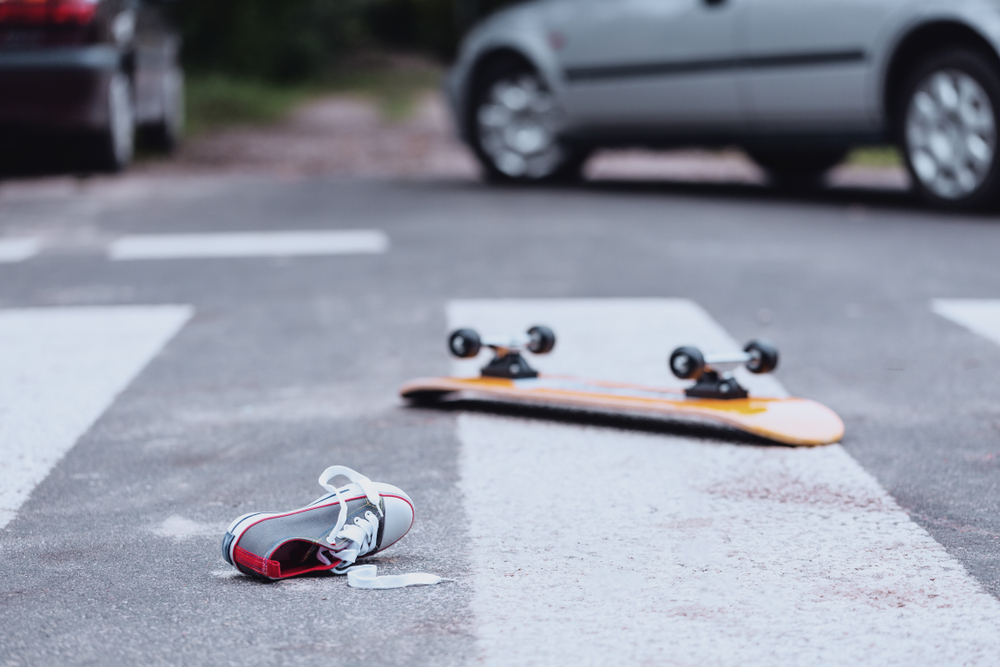
New York’s no-fault system applies when a pedestrian is struck by a covered motor vehicle, with motorcycles and certain other vehicle types excluded under Vehicle and Traffic Law § 310.
The coverage pays for reasonable and necessary medical care related to accident injuries, including emergency treatment, surgeries, rehabilitation, and prescription medication. Wage-loss benefits pay 80% of lost earnings up to a statutory maximum of $2,000 per month for up to three years, with any additional lost income recoverable in a liability claim if the serious-injury threshold is met.
Available no-fault benefits for pedestrians include:
- Coverage of medical expenses such as emergency care, hospital treatment, follow-up visits, and rehabilitation
- Wage-loss payments at 80 percent of gross income, subject to statutory monthly limits
- Payment for household services the injured person cannot perform during recovery
- Reimbursement for travel to medical and rehabilitation appointments
- A $2,000 death benefit to assist with funeral and burial costs
Timely filing is required. No-fault applications generally must be submitted within 30 days, though New York permits late filings when a claimant shows a reasonable justification for the delay.
Filing Deadlines and Documentation Requirements
No-fault claims in New York follow strict deadlines and documentation rules, and insurance companies often use technical mistakes to deny benefits. Pedestrians must submit the NF-2 application within 30 days of the accident, and medical providers must send bills on the required forms within the insurer’s prescribed timeframes. Missing these deadlines can forfeit coverage, even when injuries are severe.
Insurers closely review all paperwork for inconsistencies. Required documentation typically includes the police accident report and detailed medical records supporting the injuries.
While drivers must file the MV-104 report, pedestrians are generally not required to submit this form. Ensuring all documents are accurate, complete, and consistent is essential to avoid delays or denials.
Pedestrian Personal Injury Lawsuits in New York
New York law permits pedestrians to sue negligent drivers when injuries meet the serious injury threshold defined in Insurance Law Section 5102(d). These lawsuits seek compensation beyond no-fault benefits for pain, suffering, and full economic losses that insurance doesn't cover.
Understanding the Serious Injury Threshold in New York
To pursue a claim outside the no-fault system, a claimant must show a “serious injury” under Insurance Law § 5102(d). This includes death, dismemberment, significant disfigurement, fractures, permanent loss of use, permanent consequential or significant limitations, or a medically verified impairment that restricts normal activities for at least 90 of the 180 days after the accident.
Medical proof must meet these statutory standards. Physician reports, affirmations, or sworn statements supported by objective tests such as MRIs or CT scans must link the injuries to the accident and document permanent effects or substantial limitations consistent with Toure v. Avis Rent A Car Sys., 98 N.Y.2d 345.
Proving Driver Negligence in Pedestrian Cases
Pedestrian accident lawyers build negligence cases by establishing drivers breached their duty to operate vehicles safely. Common negligent behaviors causing pedestrian accidents include distracted driving, speeding, running red lights, failing to yield at crosswalks, and driving under the influence. Each violation creates liability for resulting pedestrian injuries.
Evidence supporting negligence claims comes from multiple sources that attorneys coordinate into compelling cases:
- Police accident reports documenting traffic violations and preliminary fault findings
- Surveillance cameras from nearby businesses or traffic monitoring systems
- Vehicle data recorders showing speed and braking patterns before impact
- Witness statements from bystanders who observed driver behavior
- Cell phone records revealing texting or calls during accident times
This evidence demonstrates how driver actions directly caused pedestrian injuries, establishing liability for compensation beyond basic insurance coverage.
Compensation Types for Pedestrian Accident Victims
Pedestrian accident compensation addresses both economic and non-economic damages resulting from vehicle strikes. Economic damages include quantifiable losses like medical expenses, lost income, and future care costs. Non-economic damages compensate for pain, suffering, and diminished quality of life that accompanies serious injuries.
Economic Damages From Pedestrian Injuries
Medical expenses often reach substantial amounts for pedestrians suffering serious injuries requiring emergency treatment, surgeries, and extended rehabilitation. Future medical costs for ongoing care, additional surgeries, and adaptive equipment add substantially to damage calculations. Lost wages accumulate during recovery periods while diminished earning capacity affects lifetime income when injuries prevent returning to previous occupations.
Property damage claims cover destroyed personal items including phones, laptops, jewelry, and clothing damaged in accidents. Out-of-pocket expenses for medical equipment, home modifications, and hired help during recovery add to economic damages.
Non-Economic Damages and Pain and Suffering
Non-economic damages recognize human suffering beyond financial losses that spreadsheets cannot capture. Physical pain from injuries, emotional trauma from near-death experiences, and loss of life enjoyment warrant significant compensation. Permanent scarring, disfigurement, or disability affecting daily activities increases non-economic damage awards.
Family members may recover loss of consortium damages when pedestrian injuries affect marital relationships. Children lose parental guidance and companionship when injuries limit parent participation. These relationship damages acknowledge accident impacts extending beyond injured pedestrians themselves.
Uninsured Motorist Coverage for Hit-and-Run Pedestrians
Hit-and-run accidents and crashes with uninsured drivers leave pedestrians without obvious compensation sources for injuries. New York requires uninsured motorist coverage that protects pedestrians when at-fault drivers lack insurance or flee accident scenes. This coverage substitutes for missing liability insurance, providing compensation up to policy limits.
Your own auto insurance policy may provide uninsured motorist benefits even when struck as a pedestrian. Family members' policies might also cover pedestrian accidents under certain circumstances. Coverage from other household auto policies may apply when permitted by the policy language, but stacking within a single policy is not allowed under New York law.
Underinsured motorist coverage applies when at-fault drivers carry insufficient insurance for pedestrian injuries sustained. Minimum liability coverage in New York often proves inadequate for serious pedestrian accidents. Underinsured coverage bridges gaps between driver liability limits and actual damages, though insurers aggressively dispute these claims requiring skilled legal representation.
Government Liability for Dangerous Road Conditions
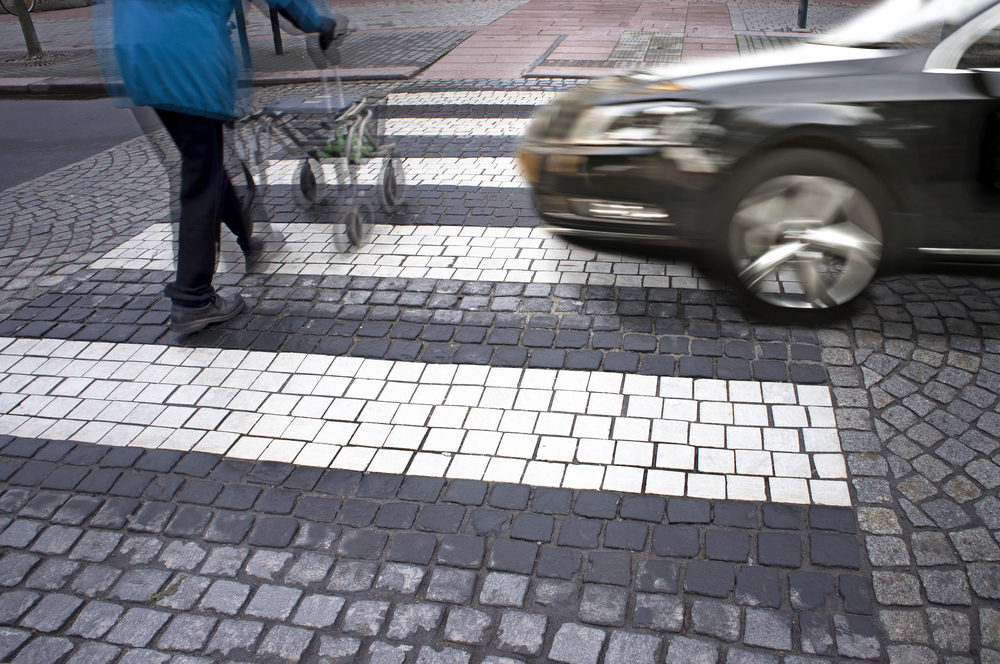
Sometimes pedestrian accidents result from dangerous road conditions rather than just driver negligence. Missing crosswalk signals, broken streetlights, construction zone hazards, or defective traffic controls contribute to accidents. Government entities responsible for road maintenance face liability when dangerous conditions cause pedestrian injuries.
Filing Claims Against New York City or State Agencies After a Pedestrian Accident
Filing claims against New York City or state agencies requires following strict procedural rules that differ from standard lawsuits. General Municipal Law Section 50-e requires filing a Notice of Claim within 90 days of accidents involving municipal defendants. This notice must contain specific information about the accident, injuries, and claimed damages.
Government entities often deny initial claims, requiring hearings where injured pedestrians testify under oath about accident circumstances. These 50-h hearings occur before lawsuits commence, with testimony locked in for future proceedings.
Overcoming Government Immunity Defenses
Government claims face additional hurdles including shorter filing deadlines and immunity defenses that don't apply to private defendants.
Many municipal claims are barred without prior written notice of the defect unless an exception applies, such as defects created by the municipality’s own affirmative negligence or hazards falling within a recognized statutory exception. Pedestrian accident attorneys navigate these complex requirements while building cases against government entities whose negligence contributed to injuries.
Exceptions to prior notice rules exist for defects created through government's affirmative negligence. Special use of sidewalks by utilities or contractors may shift liability. Attorneys investigate maintenance records, prior complaints, and inspection reports establishing government knowledge of hazards.
Statute of Limitations for Pedestrian Accident Lawsuits
Multiple deadlines affect pedestrian accident claims, making immediate legal consultation important for preserving all compensation options. Different time limits apply depending on claim types and potential defendants involved in your case.
Insurance claims face the shortest deadlines with no-fault applications due within 30 days of accidents. Uninsured motorist claims typically require notice as soon as practicable with specific timeframes varying by policy language. Missing insurance deadlines forfeits coverage regardless of injury severity or clear liability.
Personal injury lawsuits against drivers must generally commence within three years under New York's statute of limitations. However, claims against government entities require serving a Notice of Claim within 90 days and filing lawsuits within one year and 90 days. Minors have extended deadlines but waiting risks evidence loss and witness memory fade.
Defense Strategies in NYC Pedestrian Accident Cases
Insurance companies and defense attorneys employ various strategies to minimize or defeat pedestrian injury claims. Understanding these defenses helps pedestrians and their attorneys prepare stronger cases that anticipate and counter common arguments used to reduce compensation.
Comparative Negligence Arguments in Pedestrian Accident Cases
Comparative negligence defenses claim a pedestrian contributed to the accident through carelessness, which can reduce but generally does not eliminate their damages under New York Civil Practice Law and Rules §1411. Common factors include:
- Crossing outside crosswalks or against signals
- Failing to pay attention due to mobile device use or headphones
- Emerging suddenly from between parked vehicles
- Wearing non-reflective clothing at night
- Impaired judgment due to intoxication
Fault percentages are assigned by a judge or jury based on the evidence. Pedestrians may recover damages unless they are found 100% at fault for the accident.
How Insurers Challenge Injury Severity in Pedestrian Claims
Defense attorneys also challenge injury severity, arguing that pre-existing conditions rather than accidents caused current problems. They hire medical experts to dispute treating physician opinions and surveillance investigators to document activities inconsistent with claimed limitations.
Quick medical treatment and consistent documentation counter these defense tactics effectively. Following doctor's orders, attending all appointments, and avoiding activities beyond medical restrictions strengthens injury claims against defense challenges.
How Washor Kool Sosa Maiorana & Schwartz, LLP Pedestrian Accident Lawyers Protect Your Rights
Washor Kool Sosa Maiorana & Schwartz, LLP represents pedestrians injured on New York City streets with decades of experience securing compensation from negligent drivers and their insurance companies.
Their attorneys investigate accident scenes from Times Square intersections to residential Brooklyn crosswalks, gathering evidence that proves driver negligence caused your injuries. The firm handles cases involving distracted driving, speeding, failure to yield, drunk driving, and hit-and-run accidents that leave pedestrians with life-altering injuries.
The legal team at Washor Kool Sosa Maiorana & Schwartz, LLP works with accident reconstruction professionals, medical experts, and traffic engineers who analyze how crashes occurred and document injury severity.
They pursue compensation through multiple channels simultaneously, maximizing recovery options when single insurance policies prove insufficient for catastrophic injuries. Their attorneys understand New York's complex insurance laws and use this knowledge to overcome tactics insurance companies employ to minimize pedestrian injury claims.
From their Manhattan and Bronx offices, Washor Kool Sosa Maiorana & Schwartz, LLP serves injured pedestrians throughout the five boroughs on contingency fees, eliminating financial barriers to quality legal representation.
The firm's multilingual staff assists diverse communities navigating insurance systems and legal proceedings following pedestrian accidents. Their track record includes substantial recoveries for pedestrians suffering traumatic brain injuries, spinal damage, fractures, and permanent disabilities from vehicle strikes.
FAQs for Pedestrian Accident Lawyers
What if the driver who hit me fled the scene?
Hit-and-run accidents don't eliminate compensation options. Uninsured motorist coverage from your auto policy or family members' policies may provide benefits. Report the accident immediately to police and your insurance company. Seek witnesses and check for surveillance cameras that might identify the fleeing vehicle.
Can I still recover damages if I was jaywalking when hit?
Yes, jaywalking doesn't automatically bar recovery though it may reduce compensation under comparative negligence rules. Drivers must exercise reasonable care to avoid hitting pedestrians even outside crosswalks. Your percentage of fault reduces but doesn't eliminate damages unless you were 100% responsible.
How long will my pedestrian accident case take to resolve?
Case duration depends on injury severity, liability disputes, and insurance coverage adequacy. Simple cases with clear liability and sufficient insurance may settle within months. Complex cases involving serious injuries, multiple parties, or trial proceedings may take two to three years.
What if I didn't feel injured immediately after being hit?
Adrenaline and shock often mask injuries that manifest hours or days after accidents. Seek medical evaluation even without immediate pain. Document developing symptoms carefully. Delayed treatment complicates but doesn't destroy claims when properly explained through medical evidence.
Do I need a lawyer for minor pedestrian accident injuries?
Even seemingly minor injuries may have lasting consequences requiring ongoing treatment. Insurance companies minimize claims from unrepresented pedestrians. Attorneys evaluate whether injuries meet serious injury thresholds and identify all available compensation sources you might miss alone.
Contact a Pedestrian Accident Attorney Now

Every hour matters after pedestrian accidents as evidence disappears, witnesses forget details, and insurance companies build defenses against your claim. Physical recovery demands your full attention, but legal deadlines won't wait while you heal from injuries that may affect you permanently. Professional legal representation levels the playing field against insurance companies and negligent drivers seeking to minimize their responsibility.
Contact Washor Kool Sosa Maiorana & Schwartz, LLP at (212) 406-1700 for immediate help with your pedestrian accident case. Their experienced attorneys evaluate your legal options, handle insurance communications, and fight for maximum compensation while you focus on recovery. Don't let insurance companies take advantage of your vulnerable position following a pedestrian accident that wasn't your fault.